

 -25%
100% Recycled Gaumay Paper
Tree-Free & Chemical-Free
Pan-India Shipping
COD Available
Shop by Category
Explore every collection
Just Landed
New Arrivals
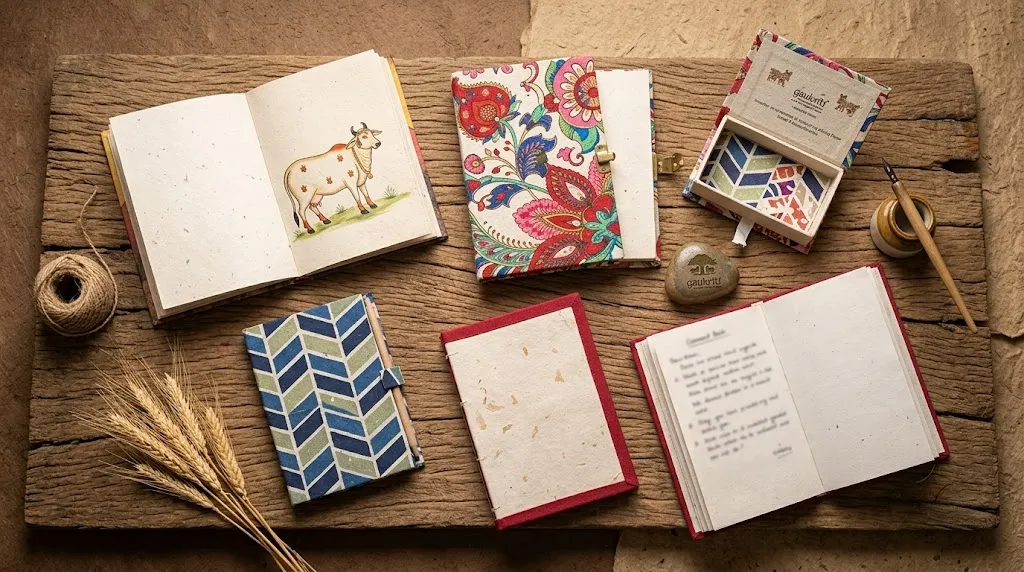
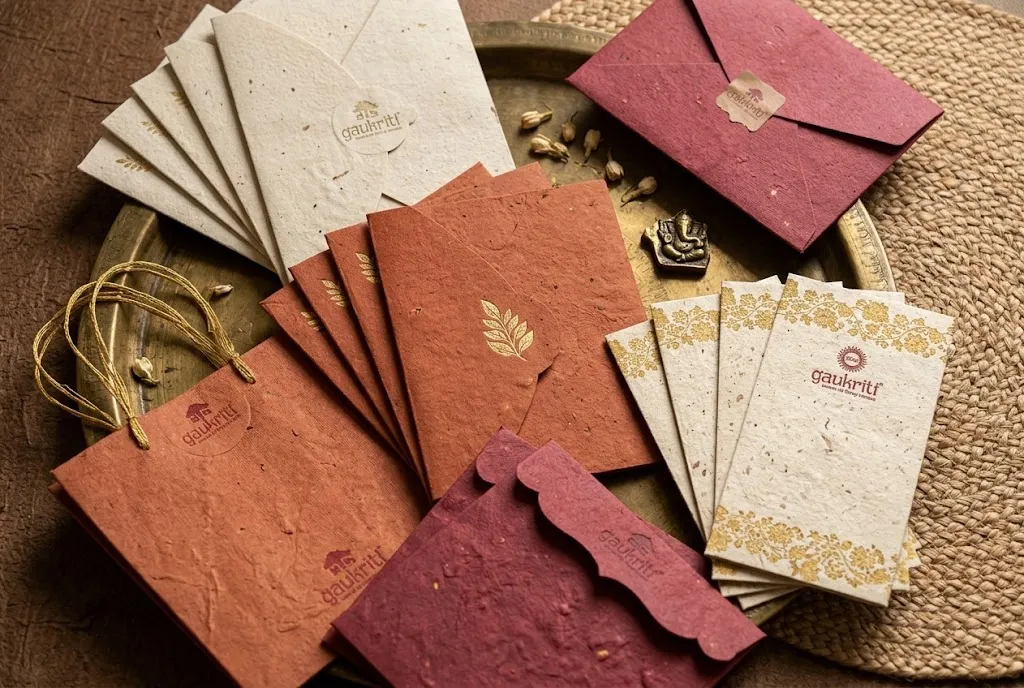
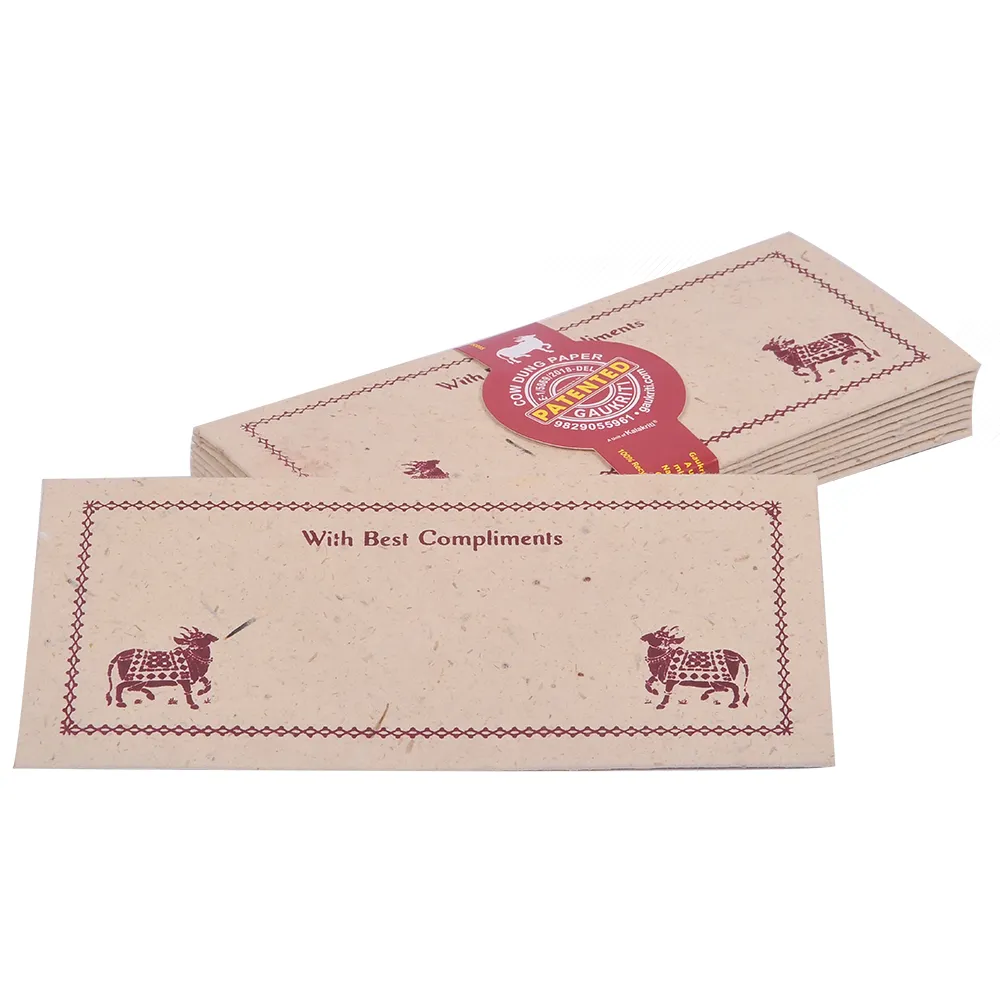
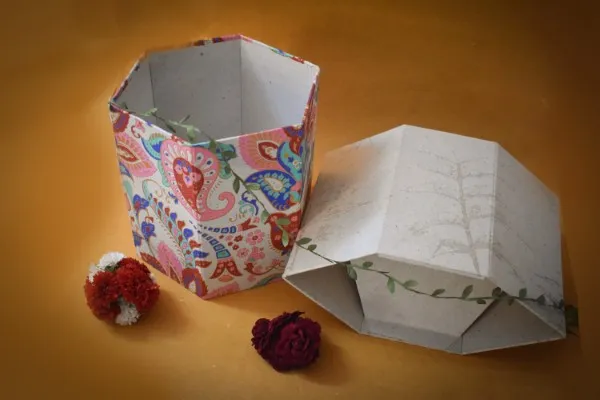
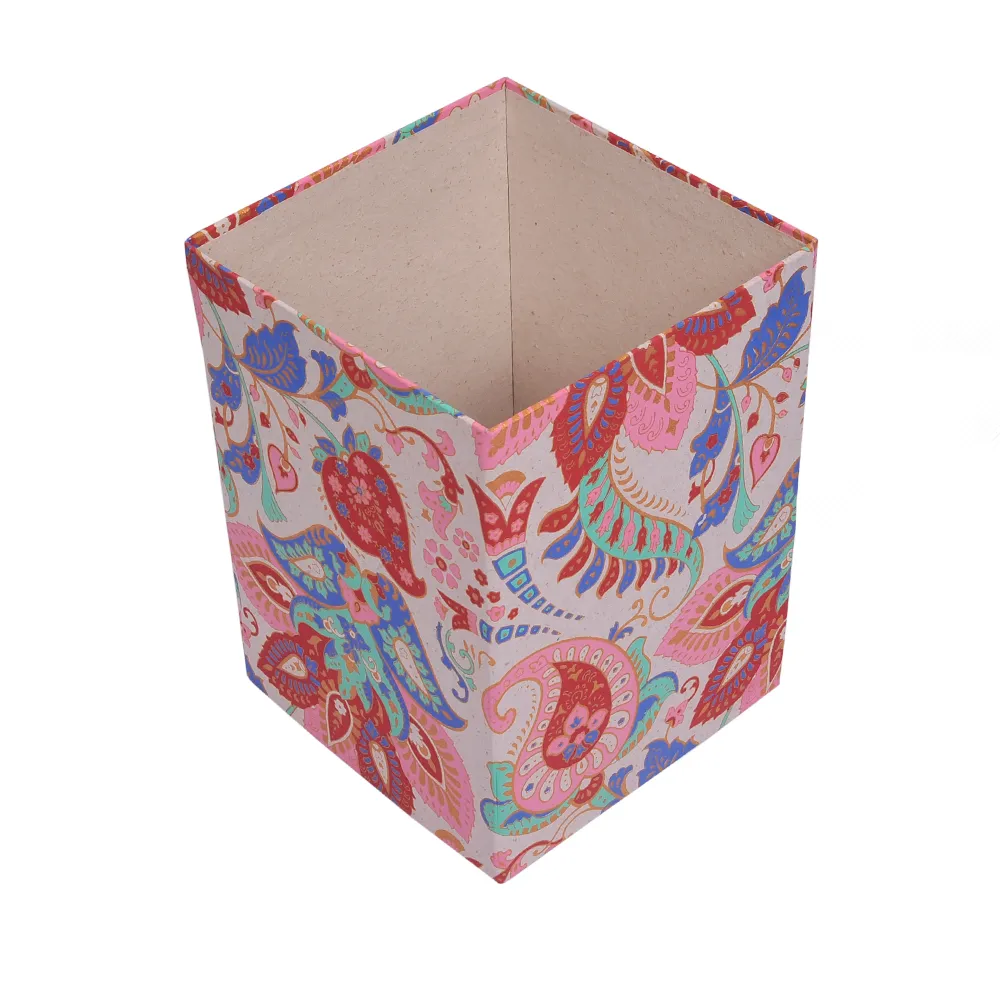
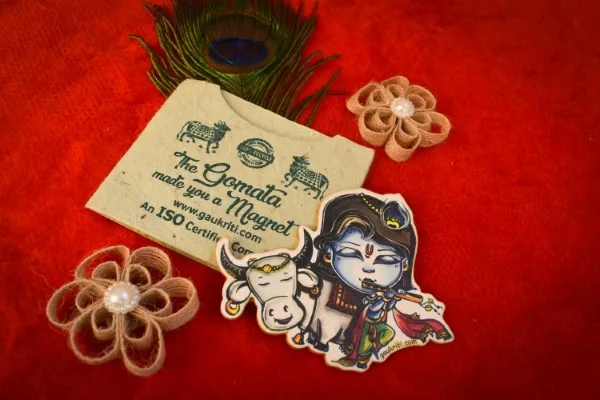
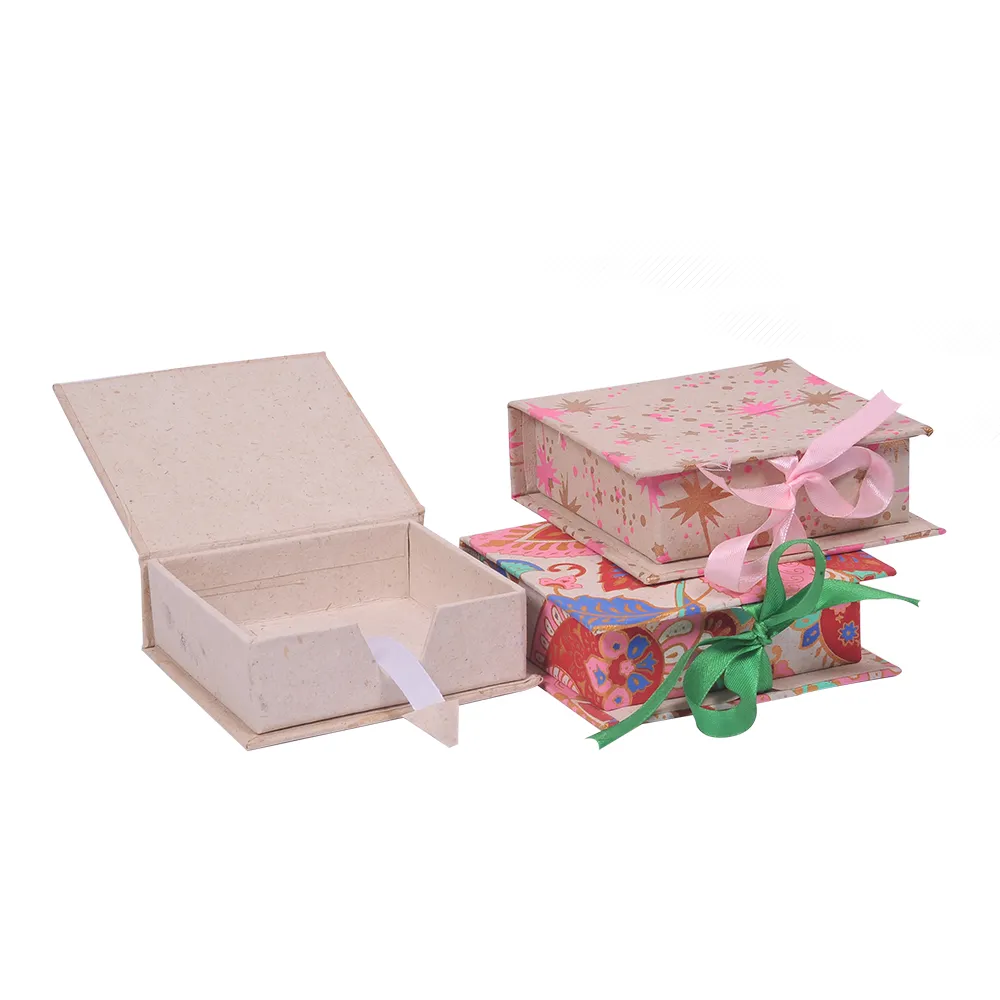
Fresh gaumay paper essentials — poojan kits, gifts & stationery, handcrafted in Jaipur.
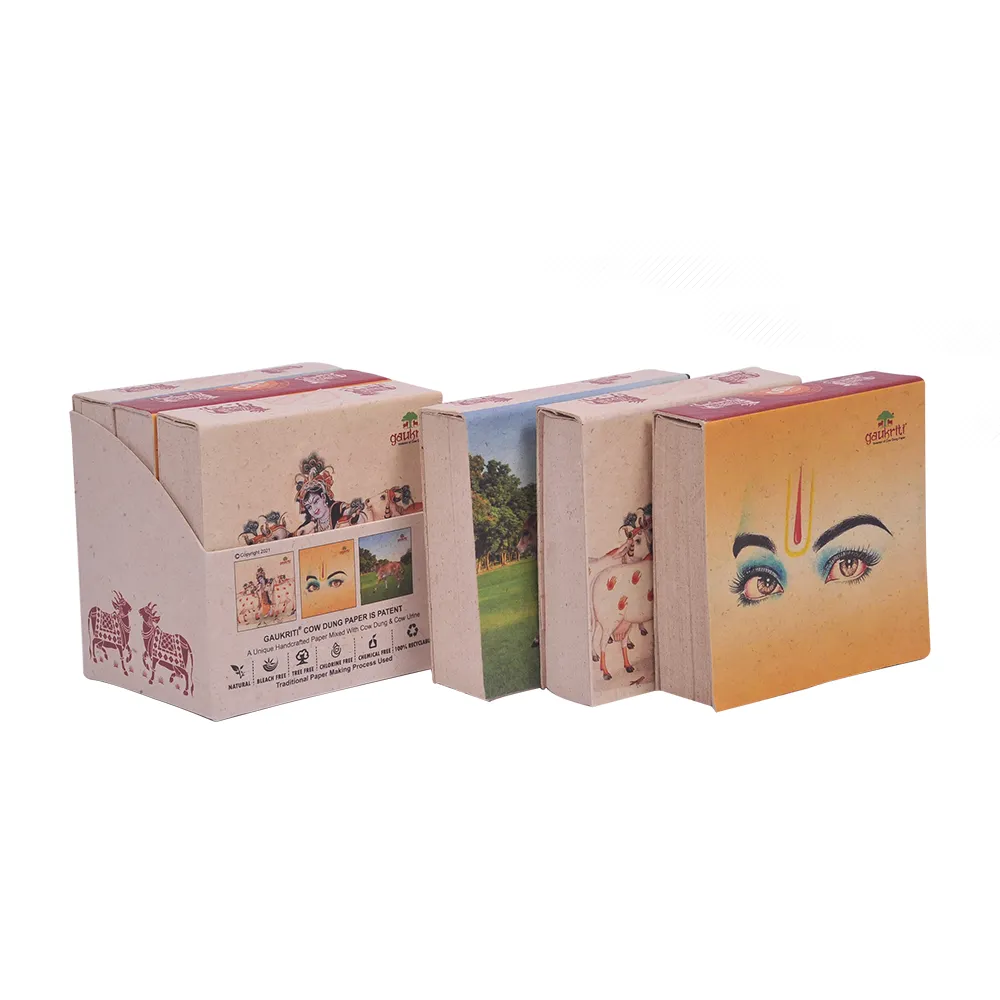
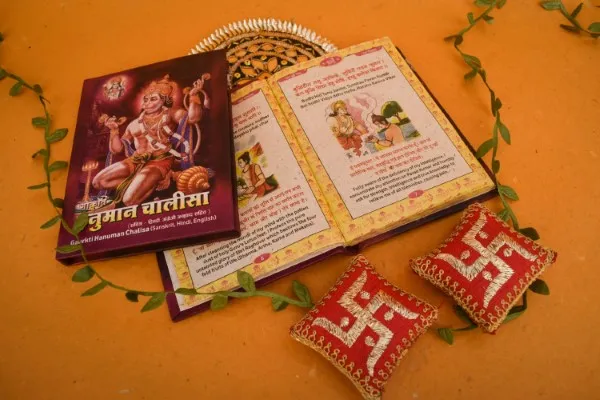
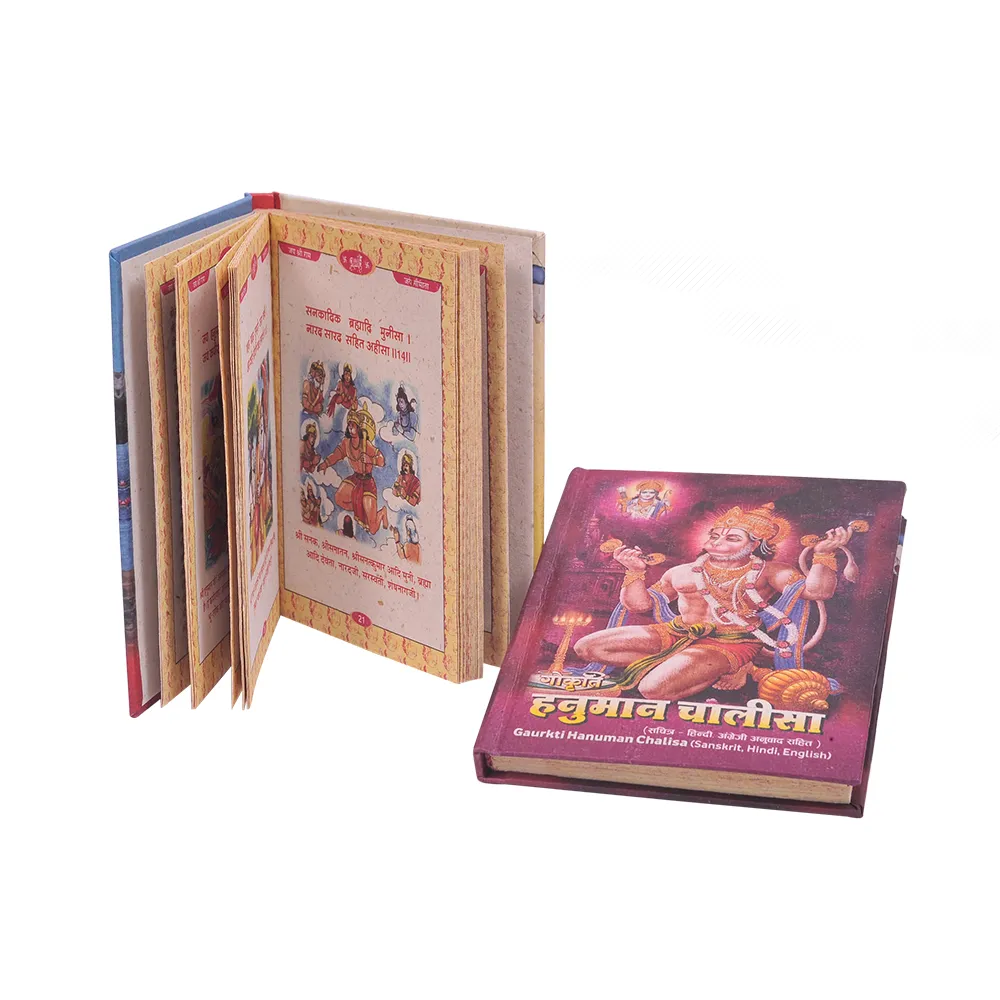
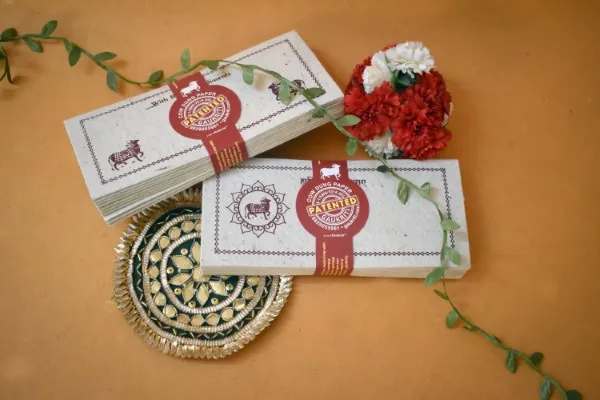
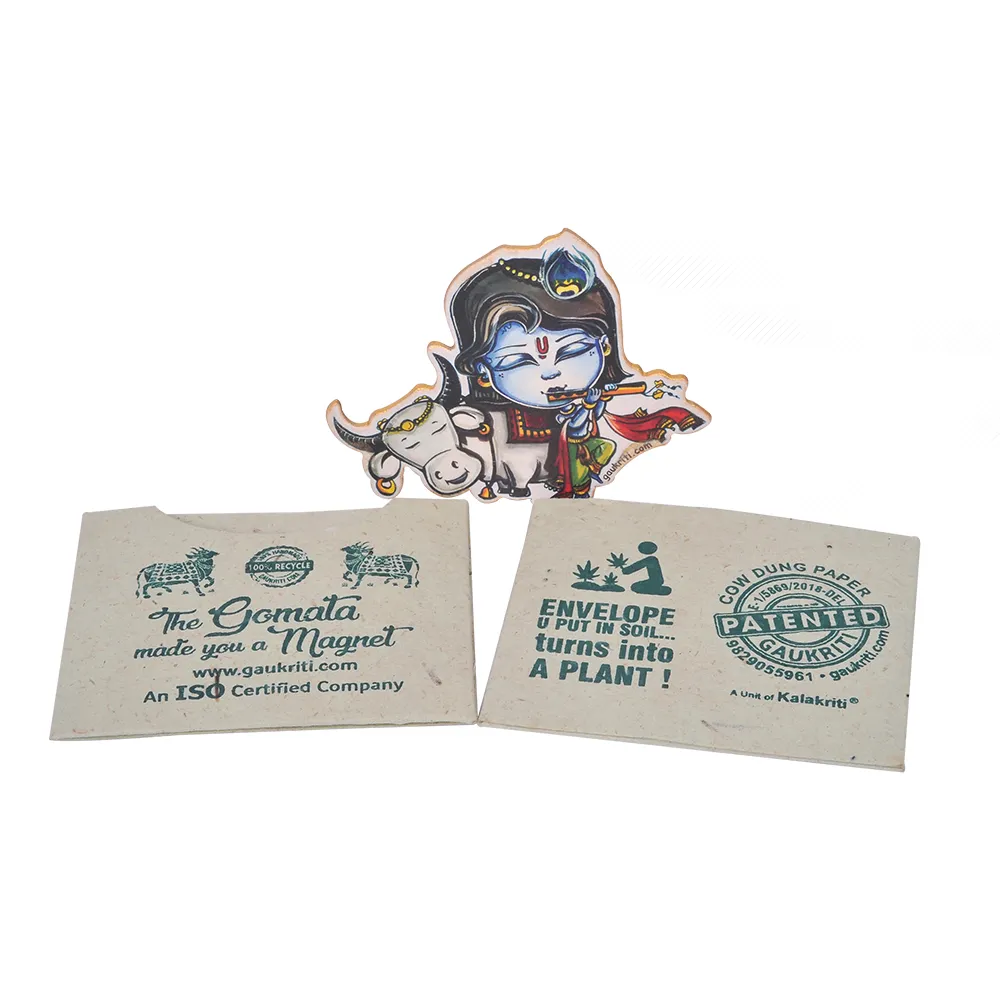
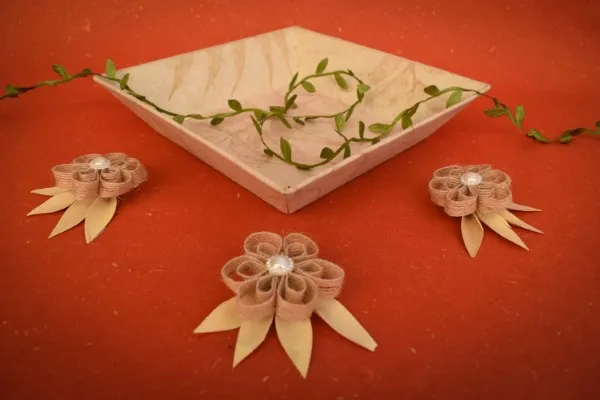
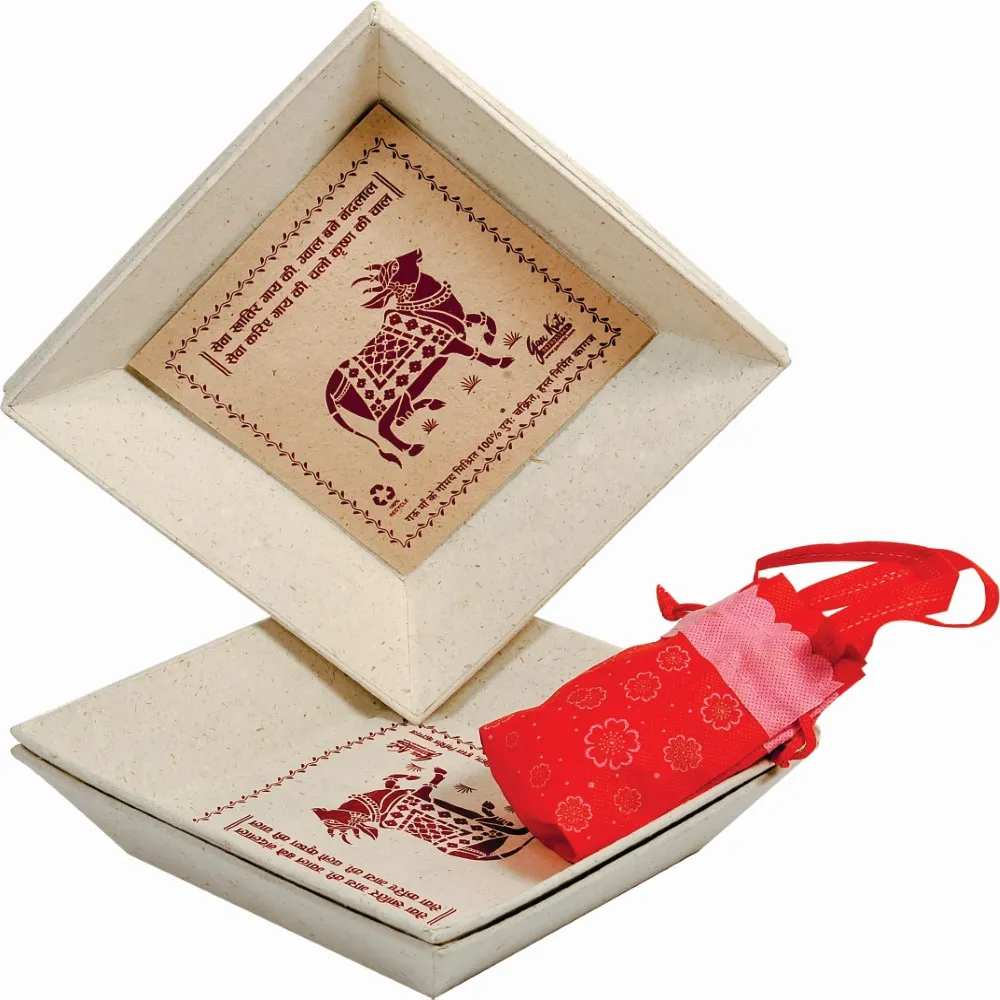
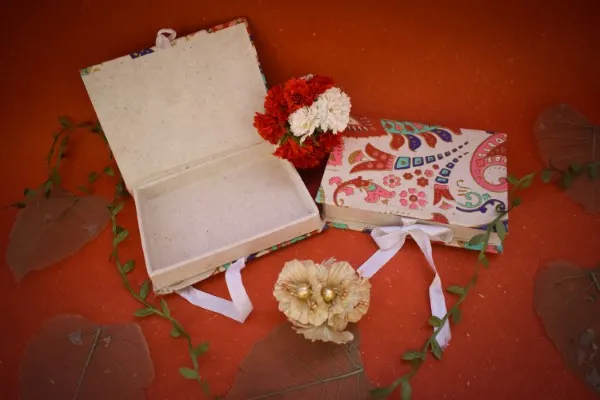
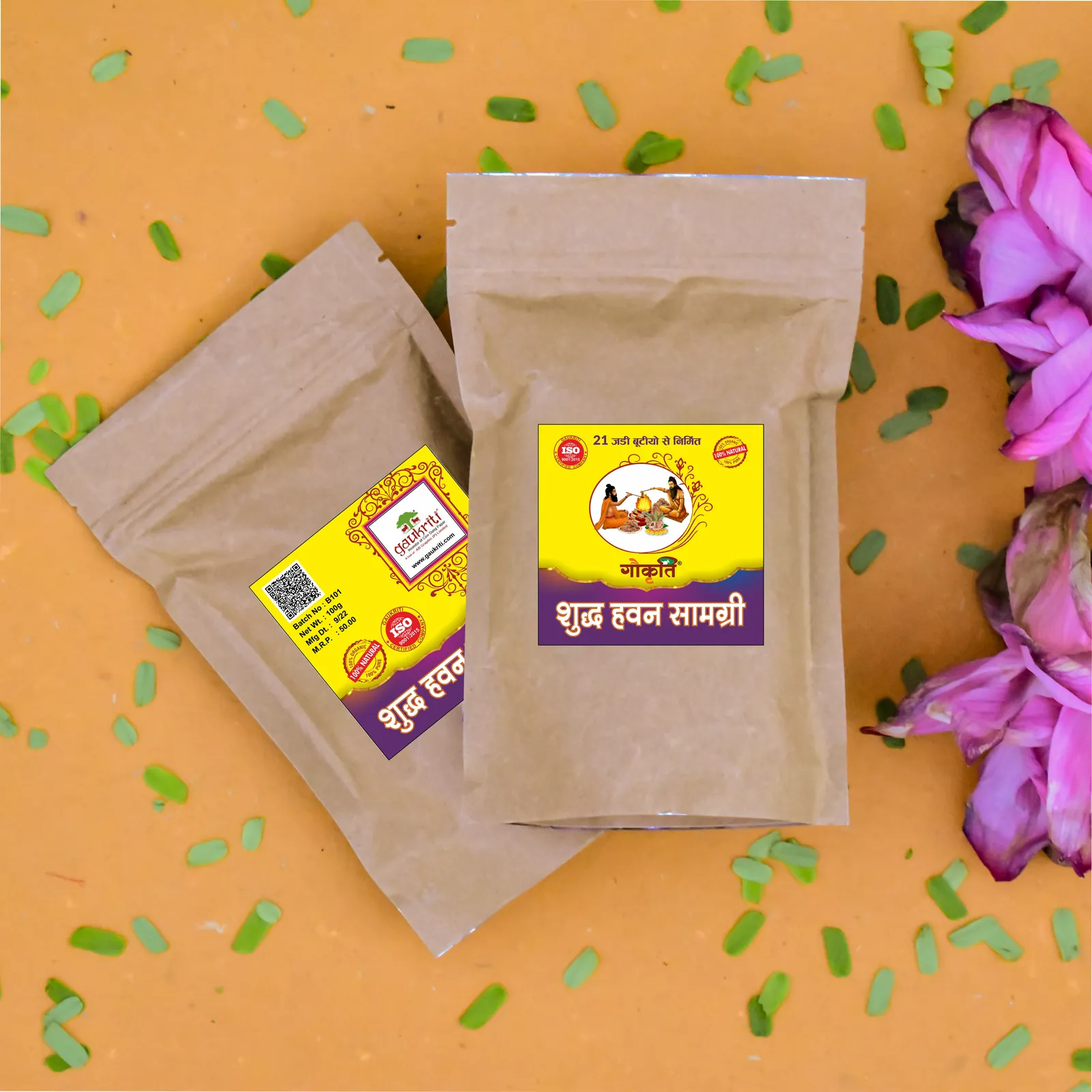
The Gaukriti Collection
Poojan se office tak
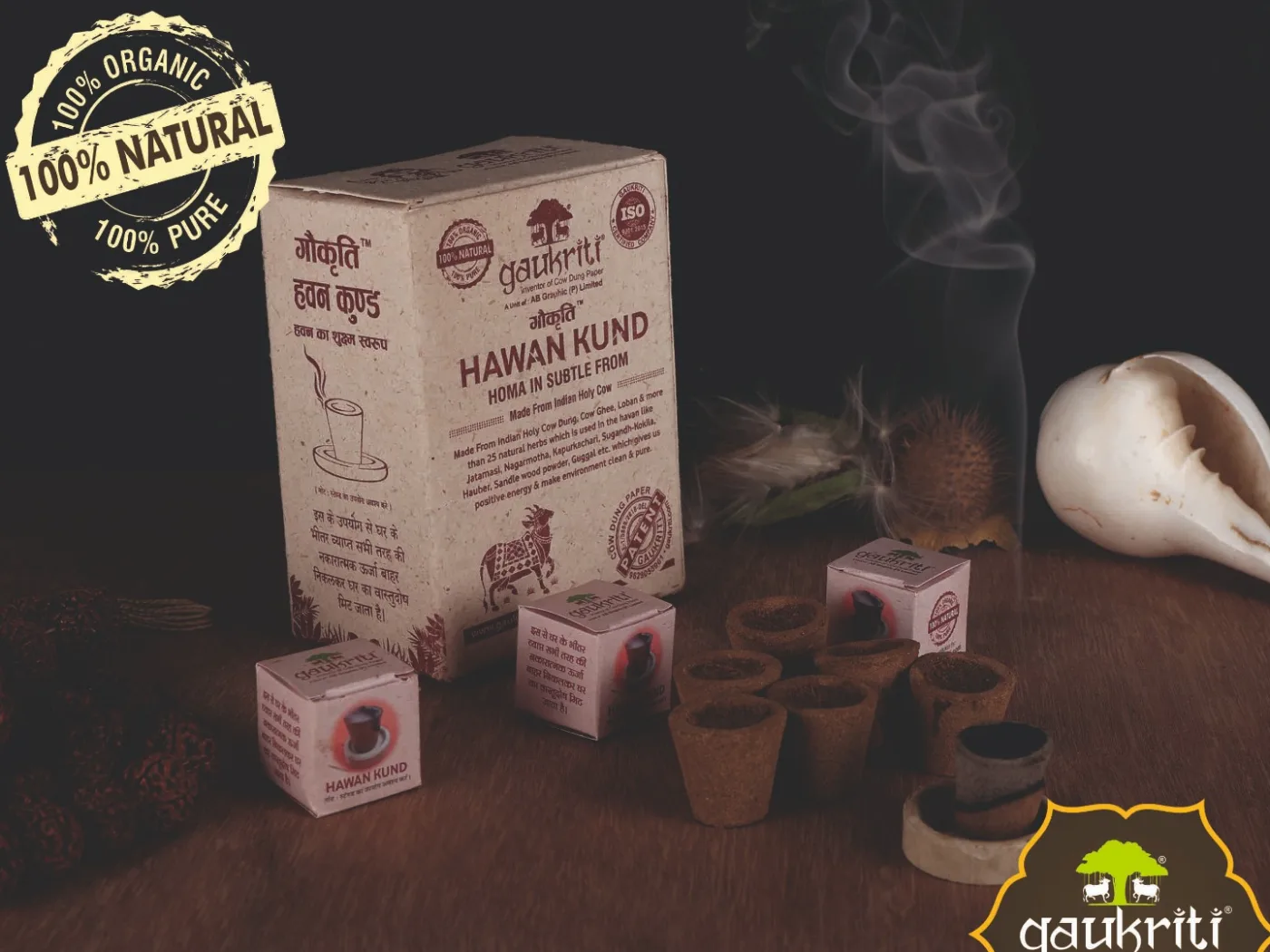
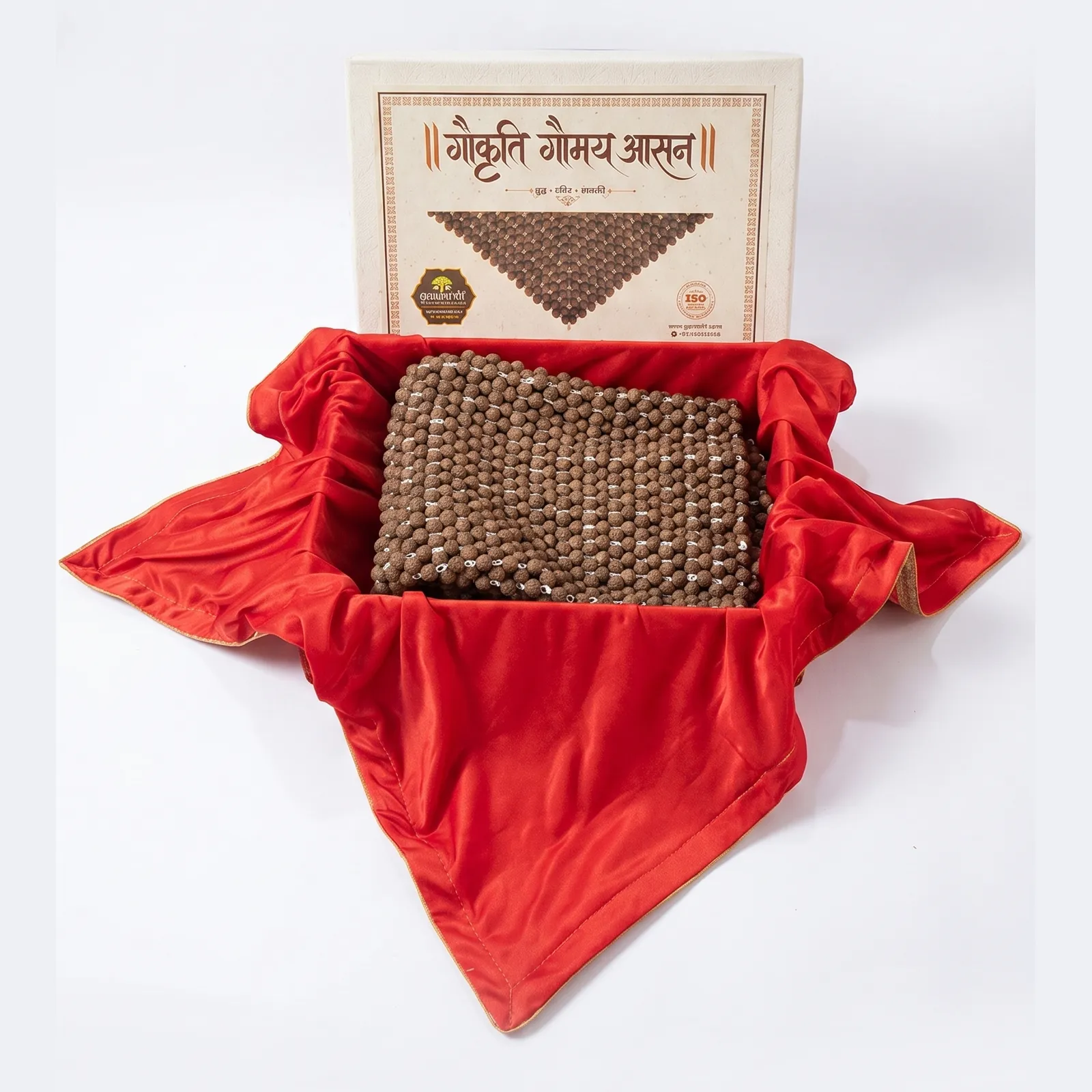
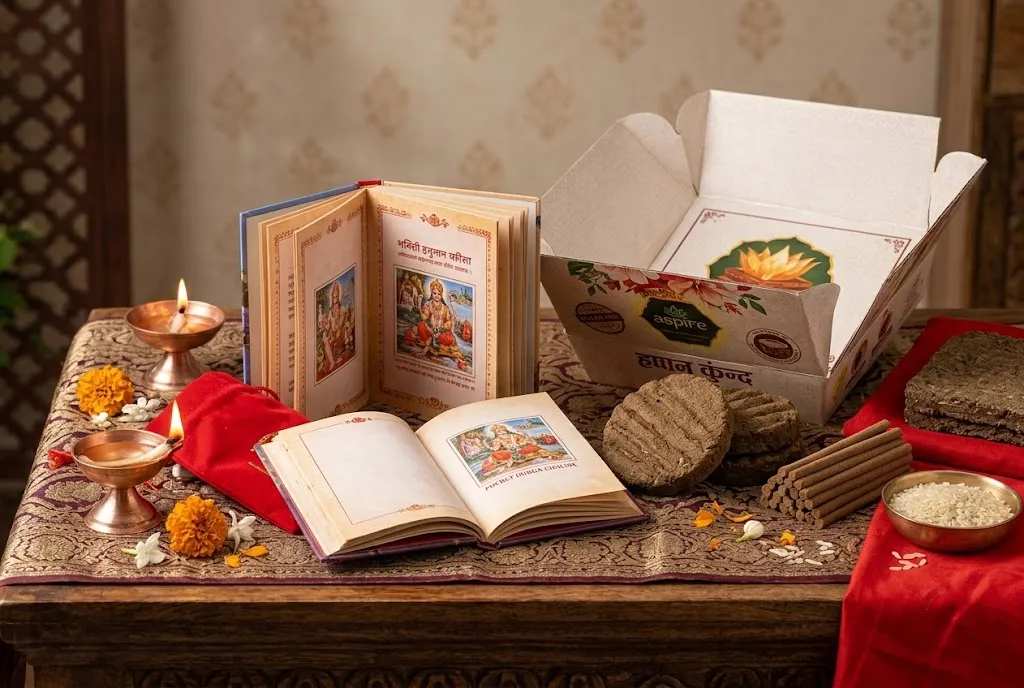
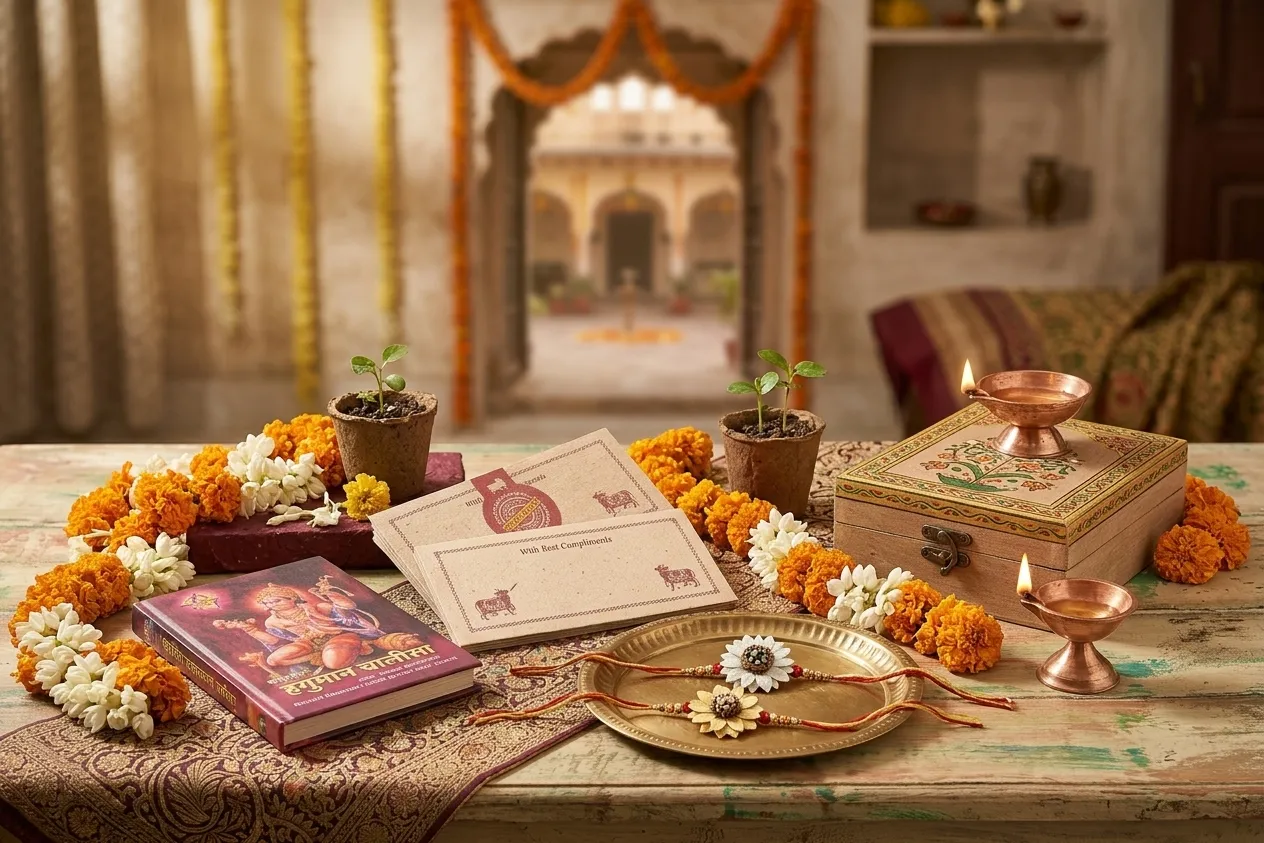
Har zaroorat ke liye gaumay paper — havan kund, chalisa, gifts aur stationery.
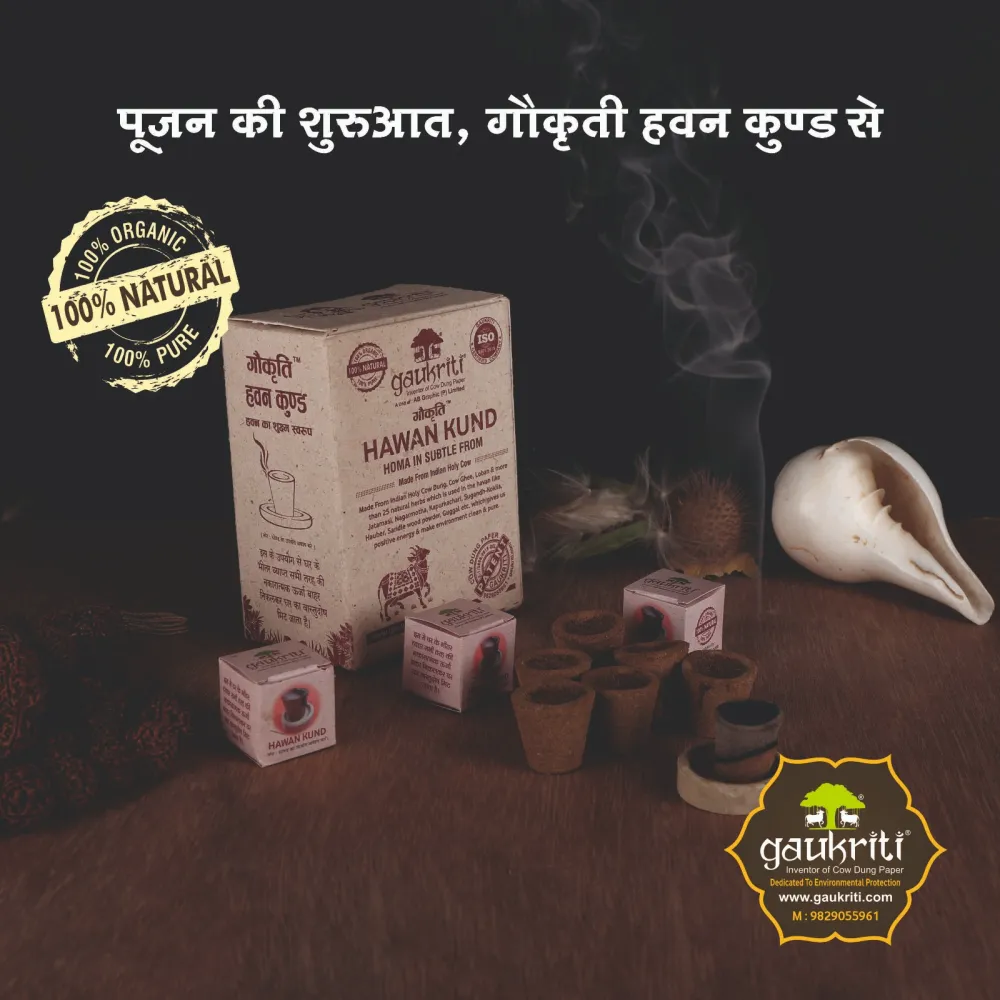
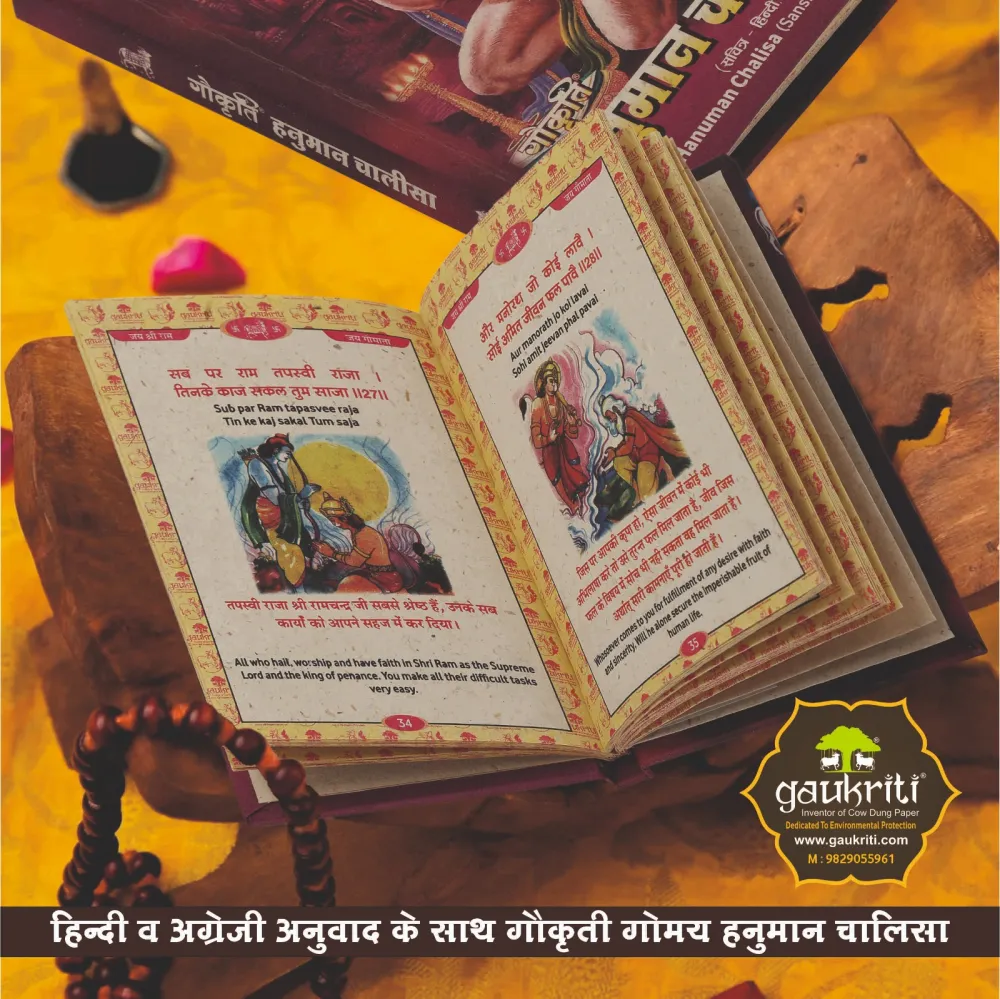
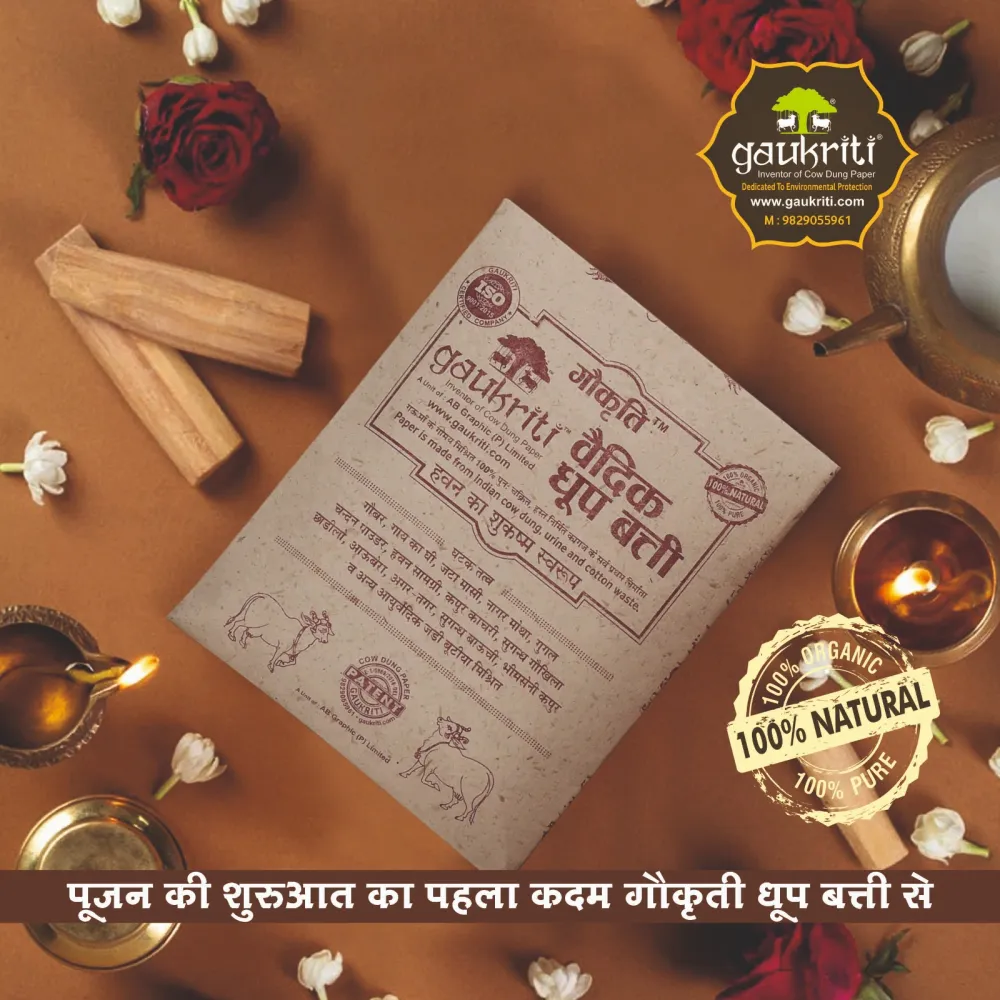
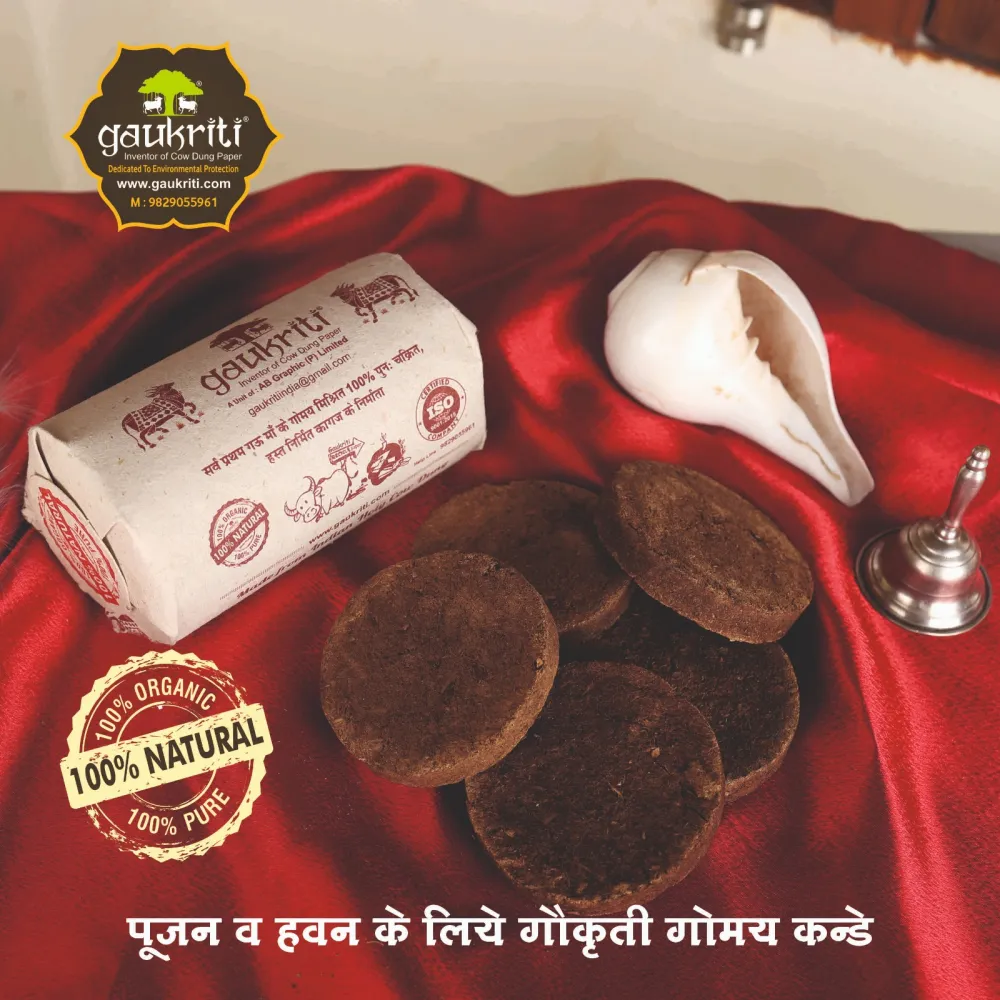
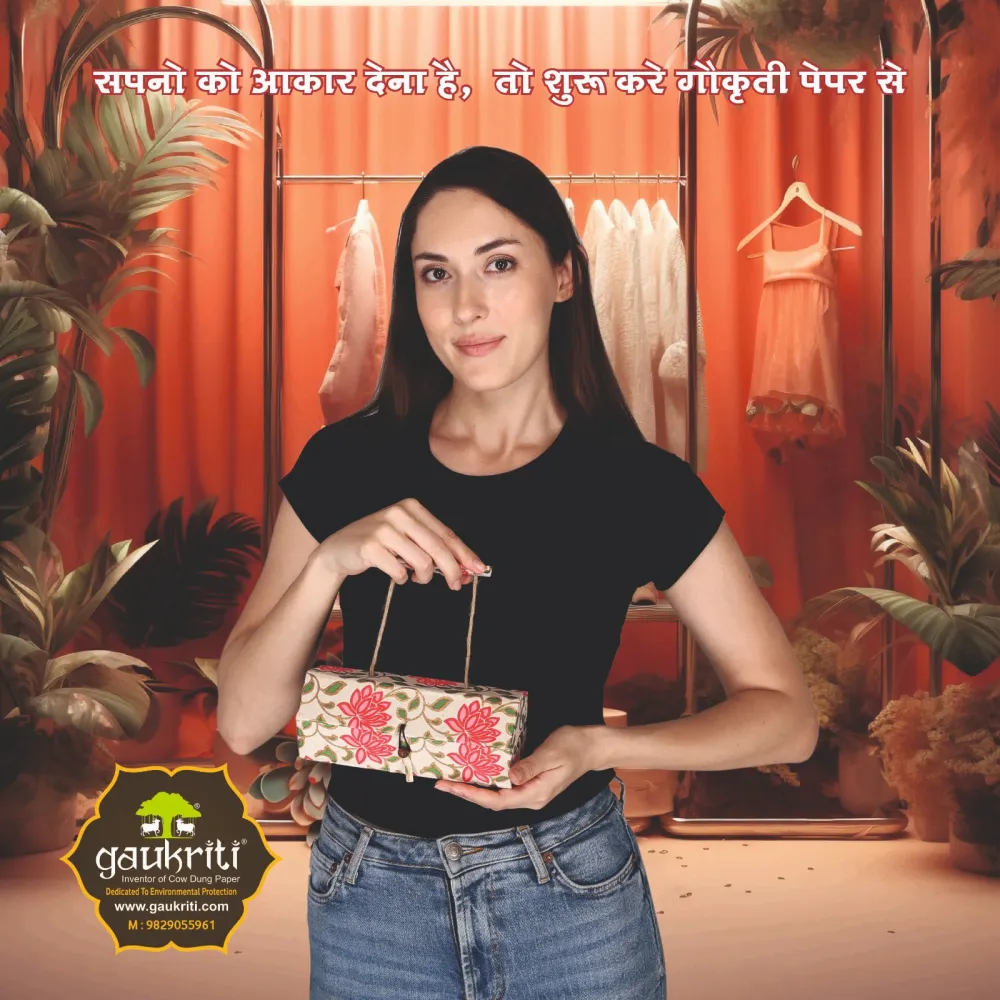
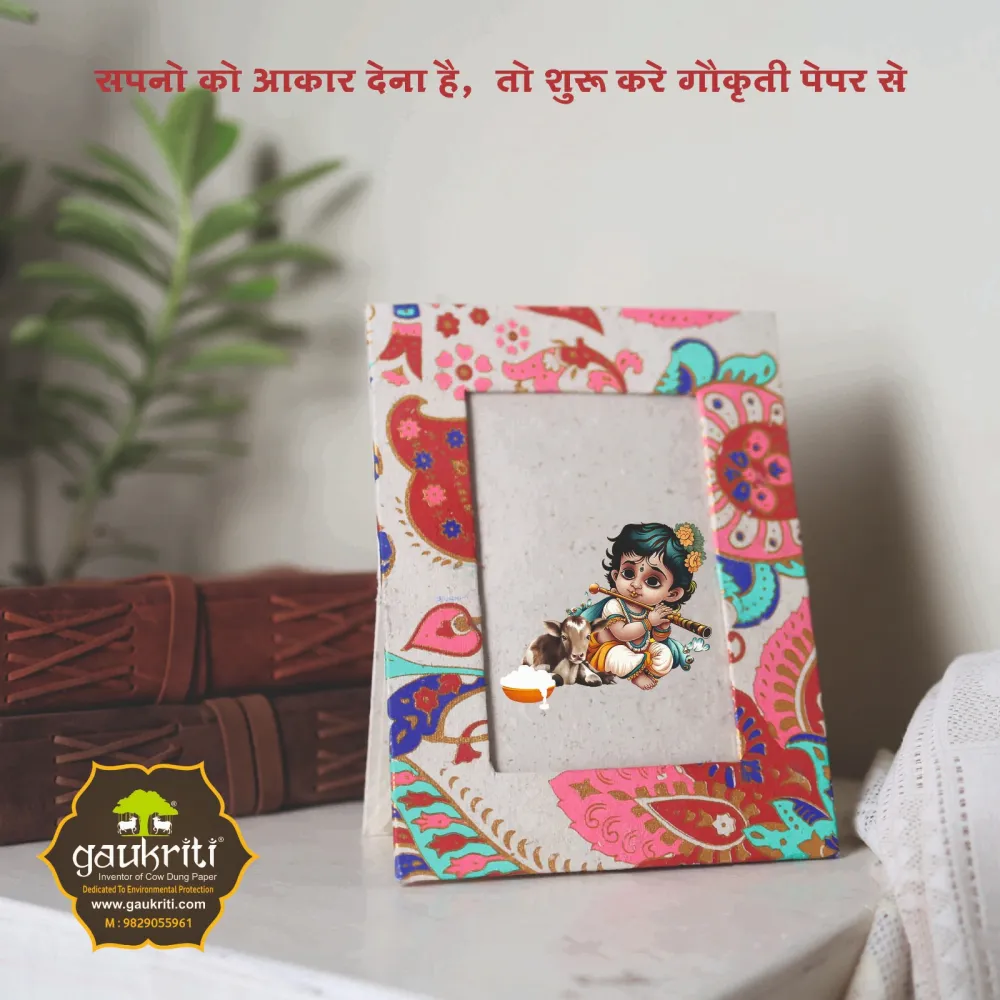
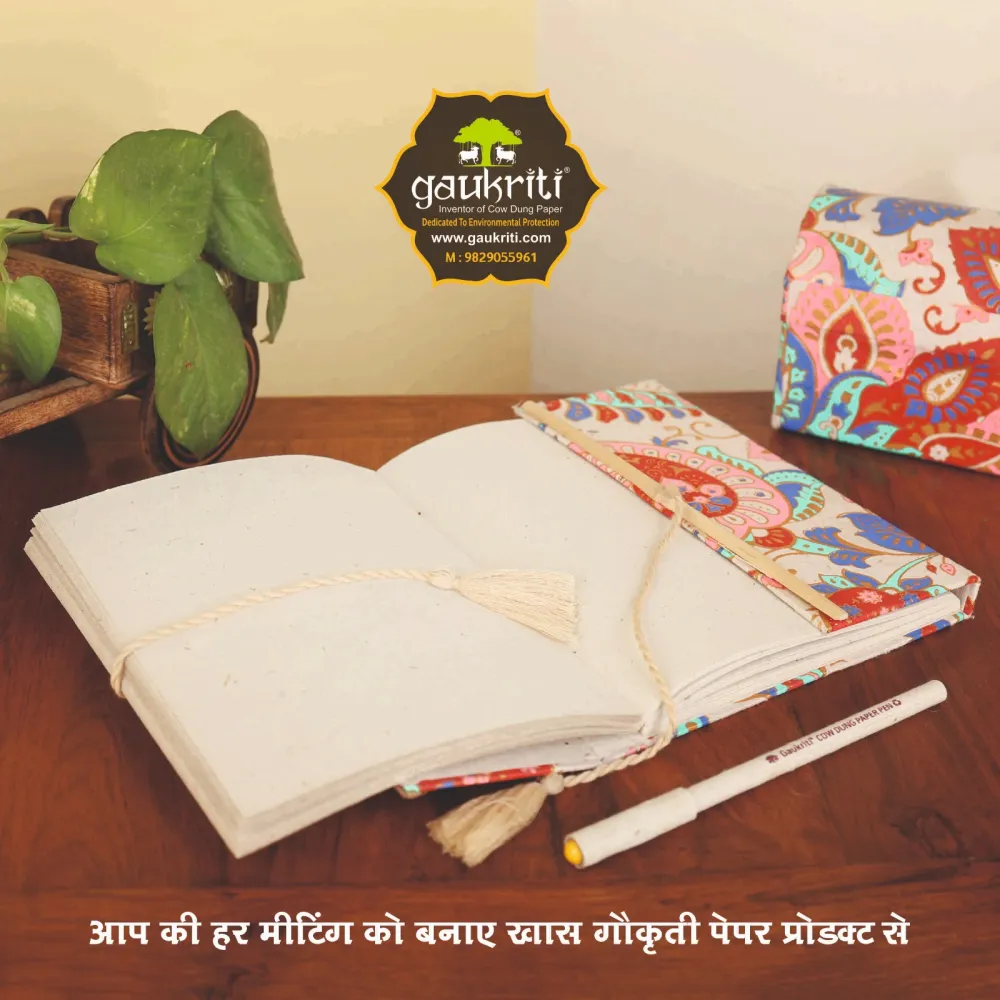
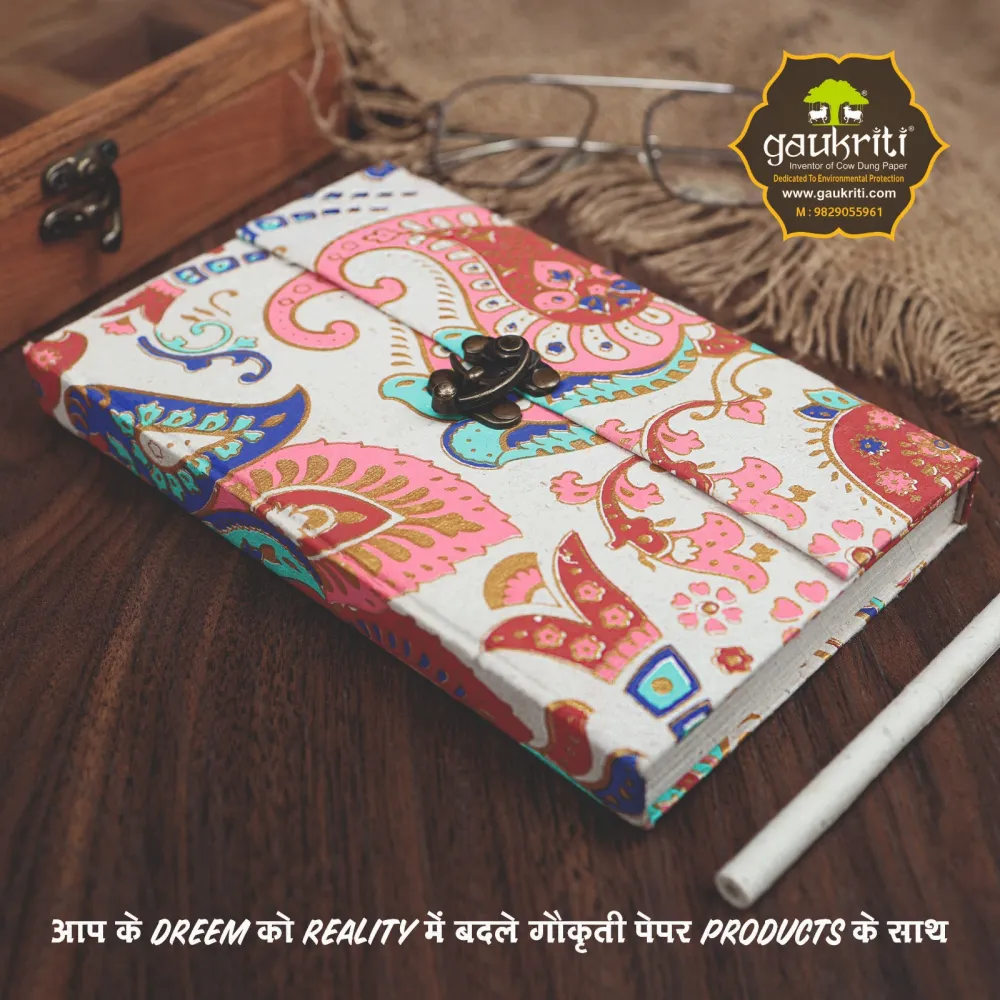
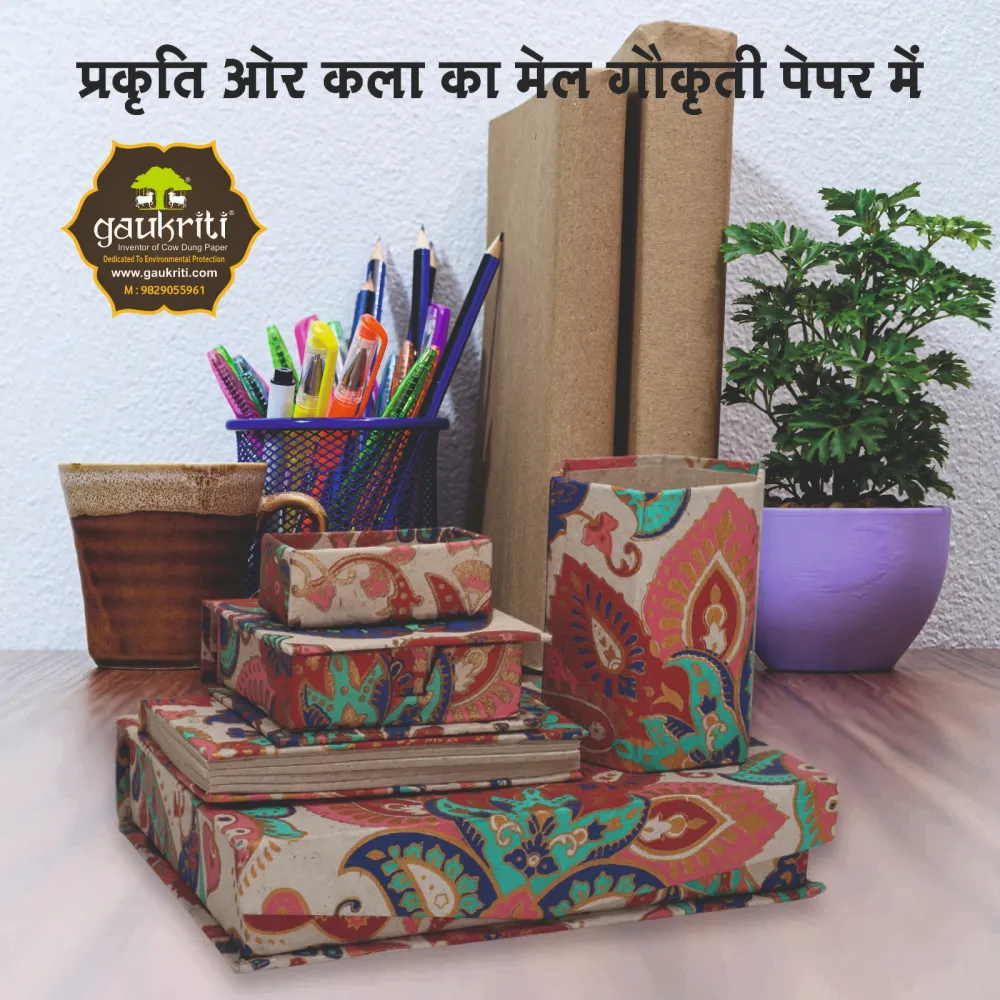
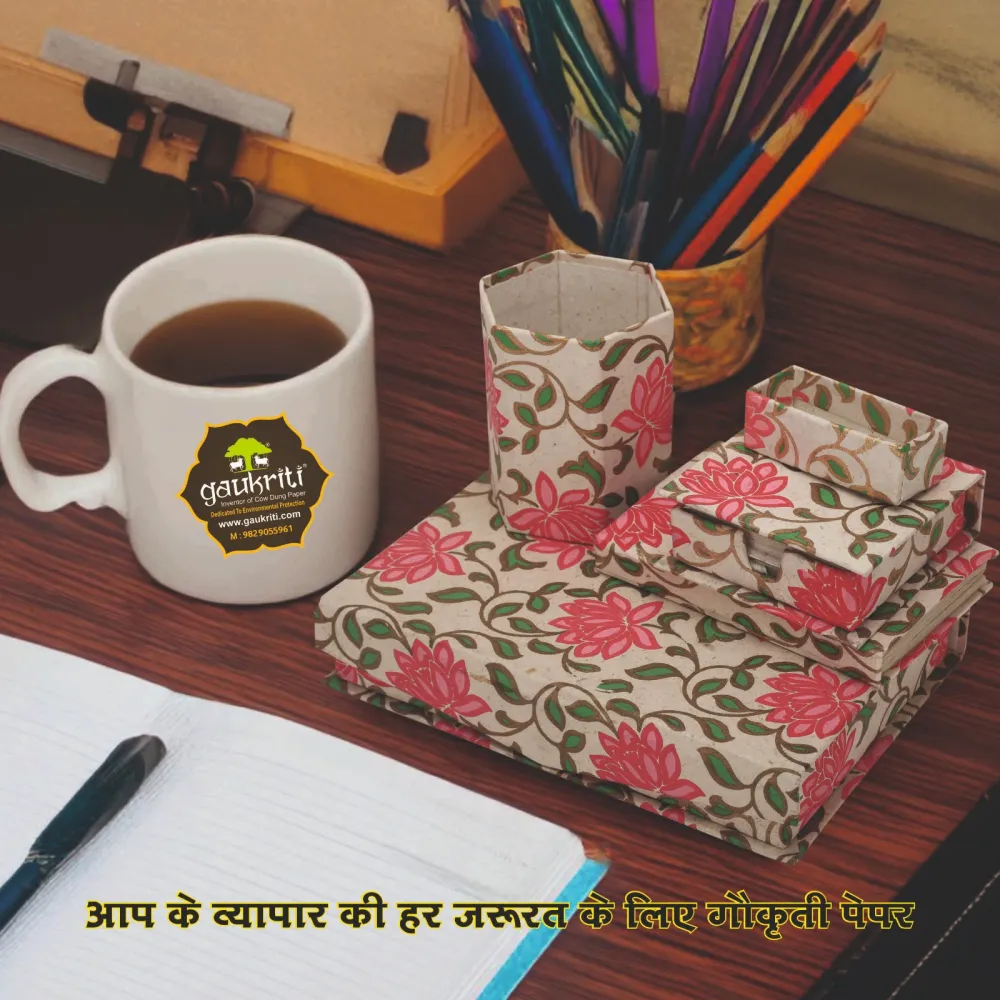
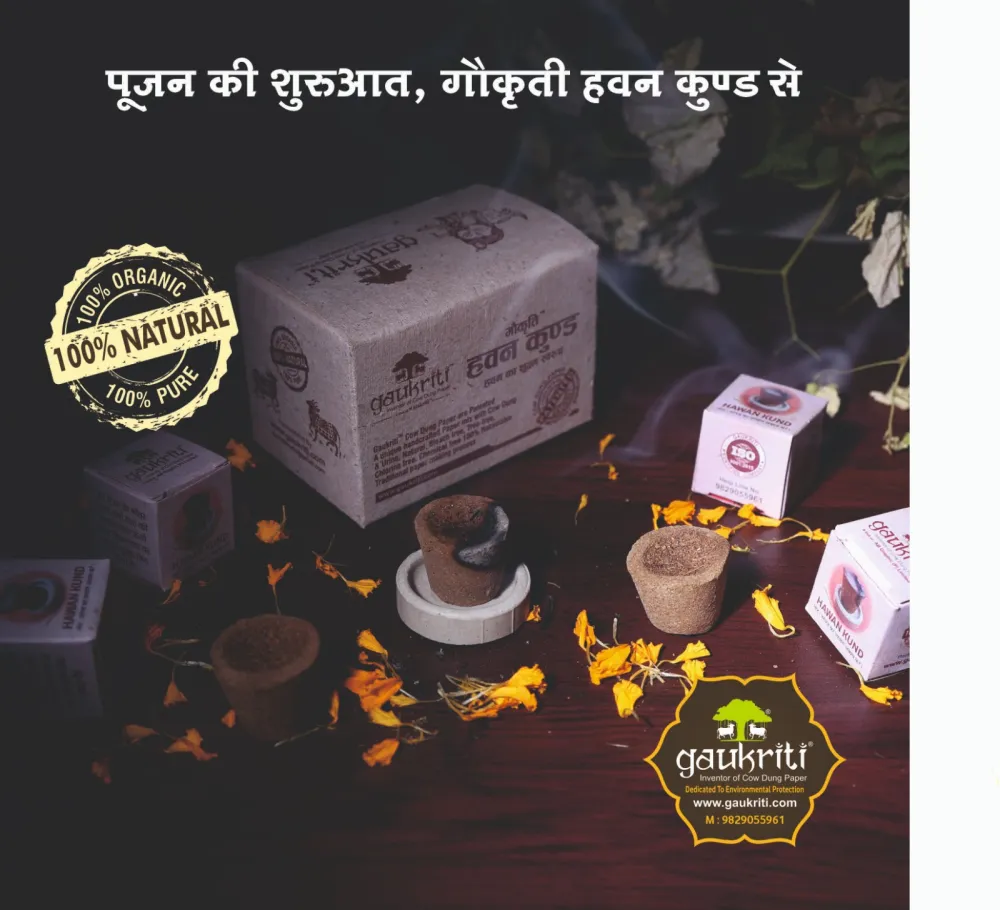


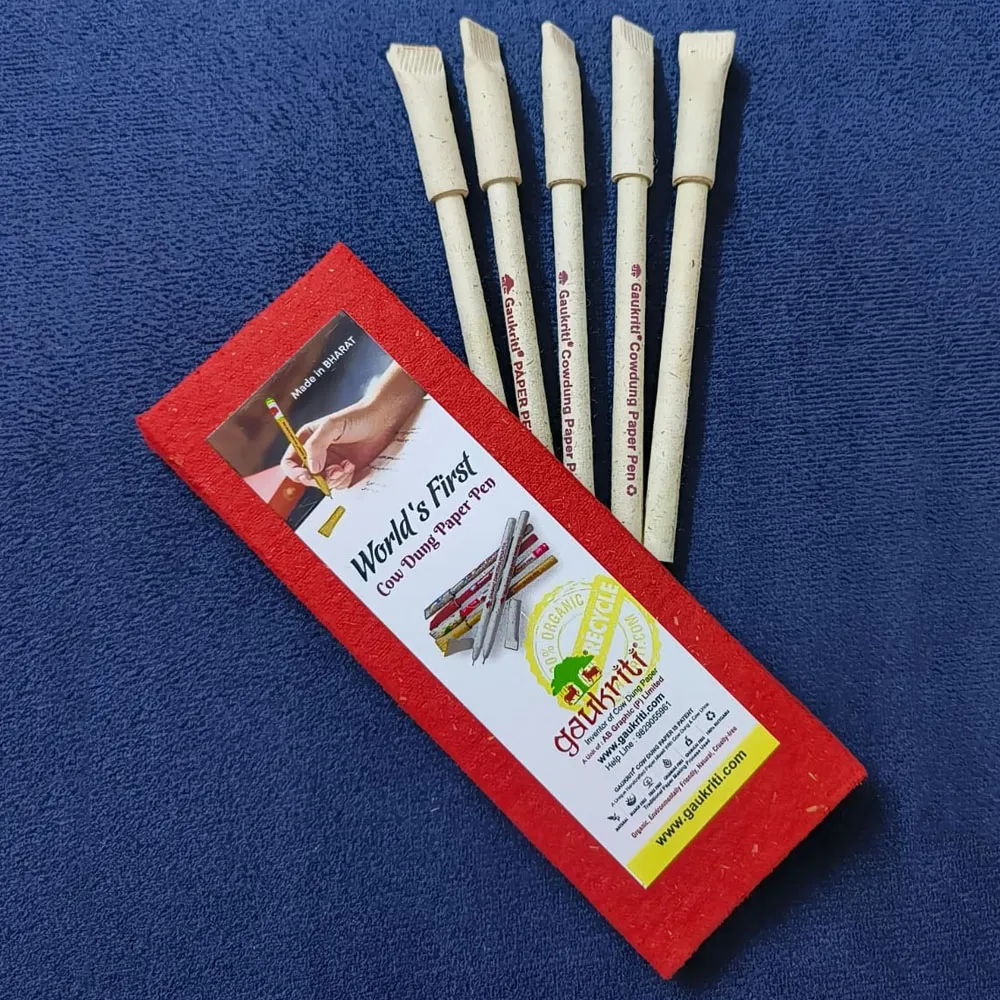
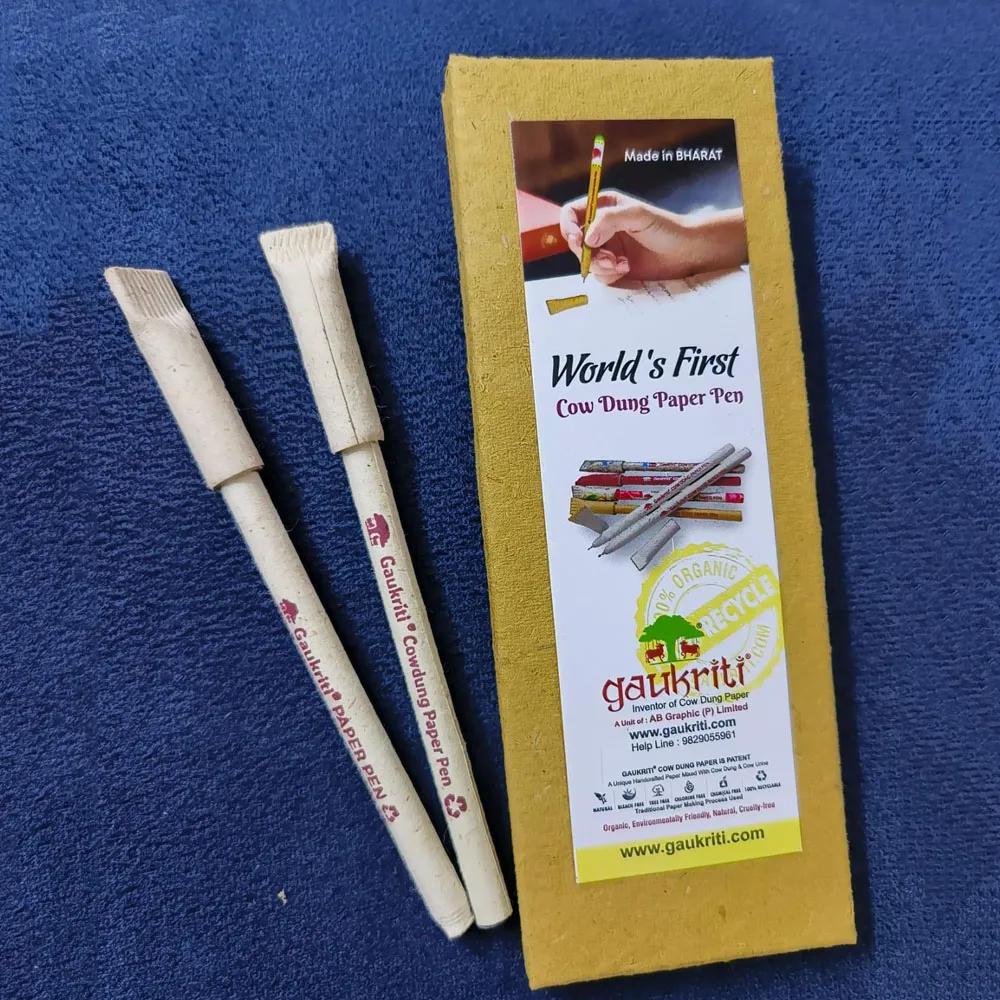
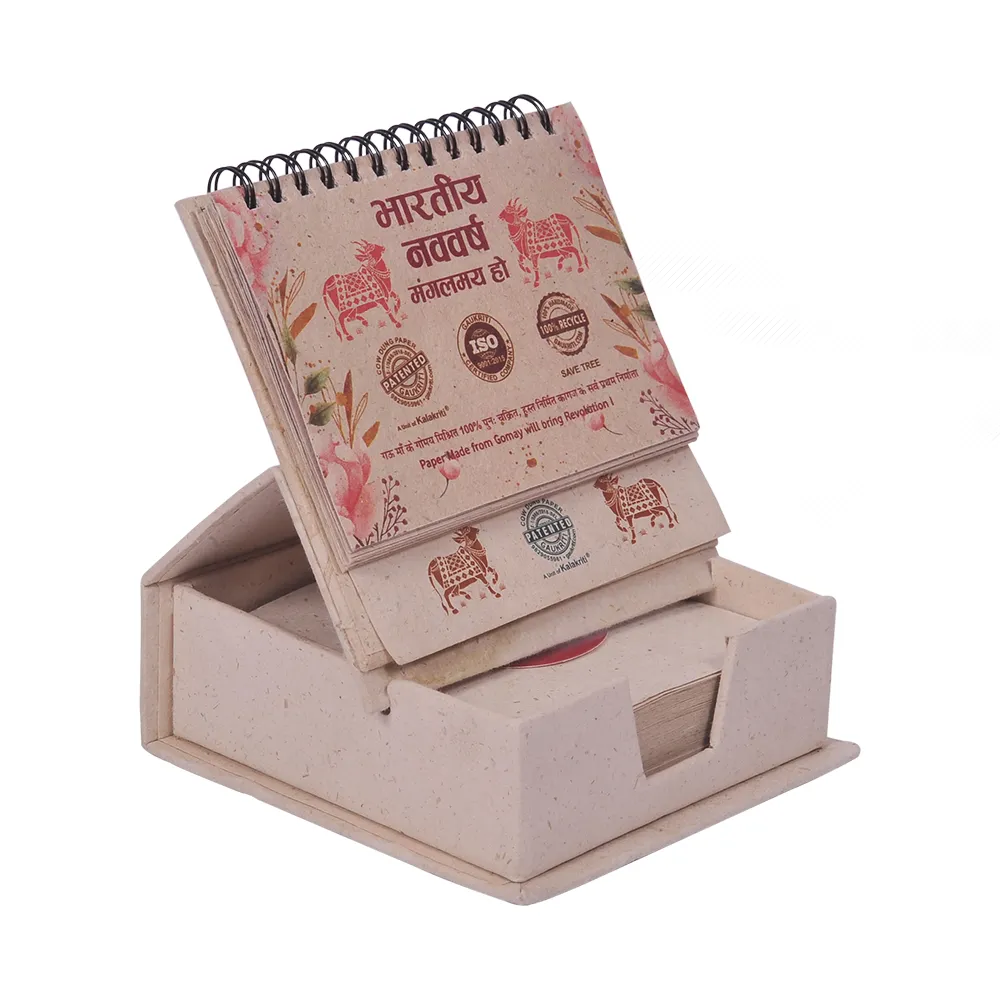

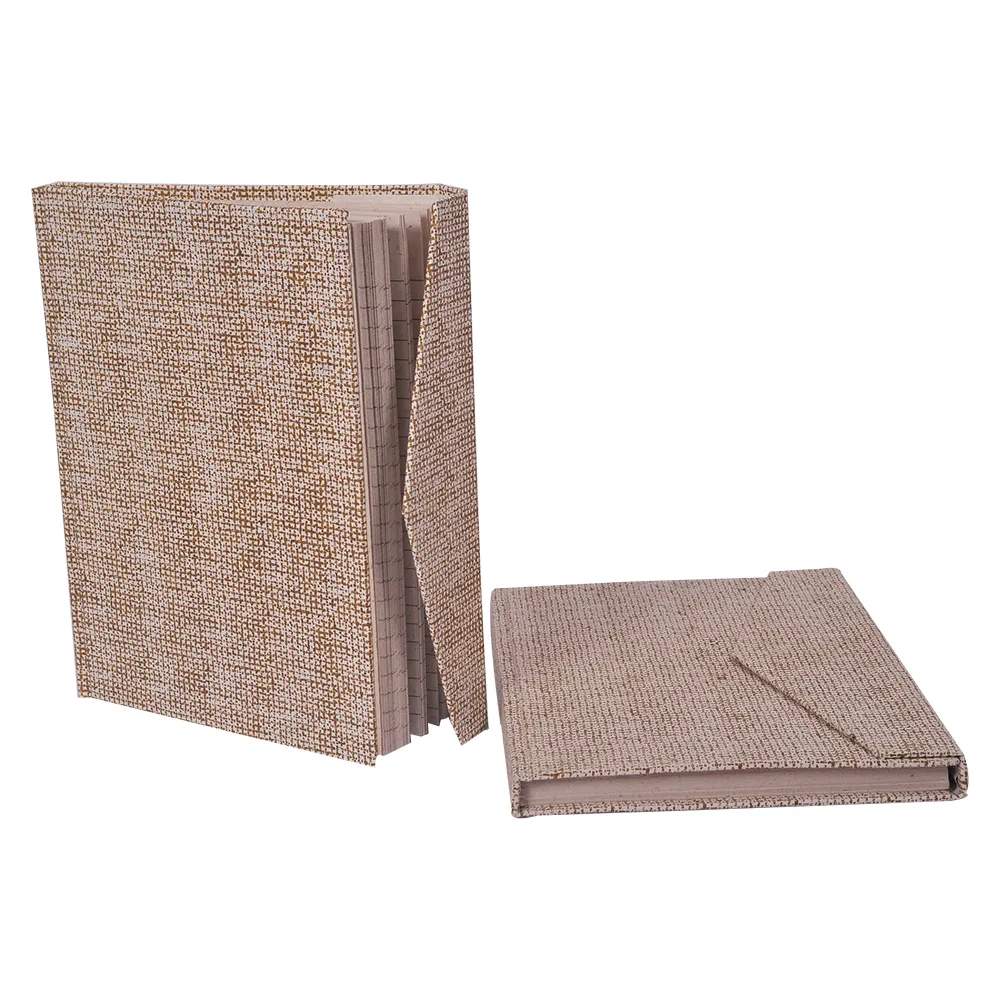
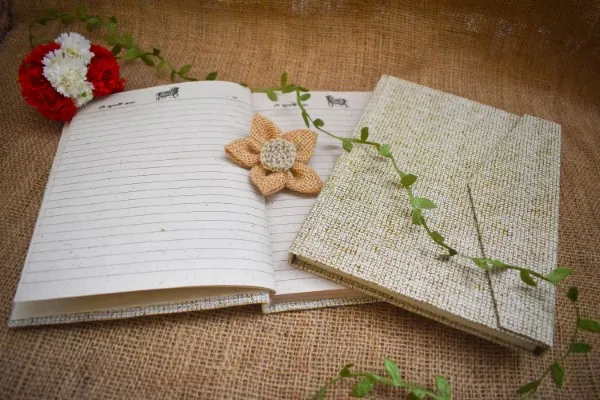
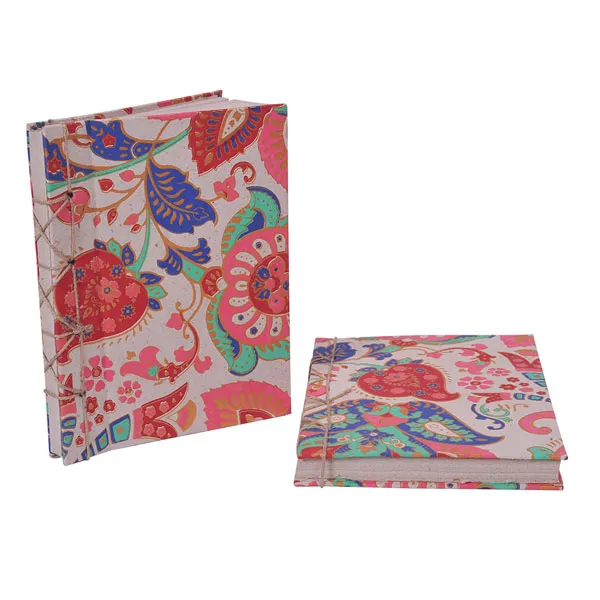


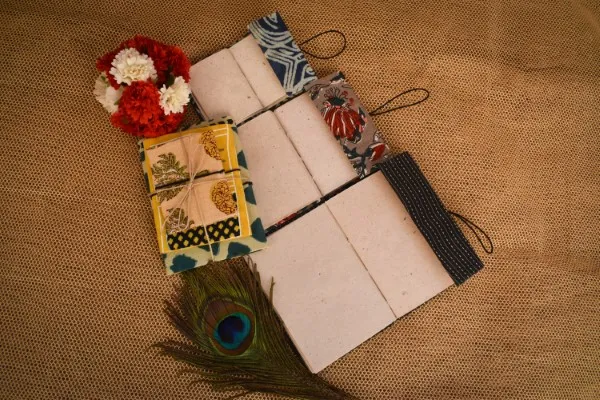
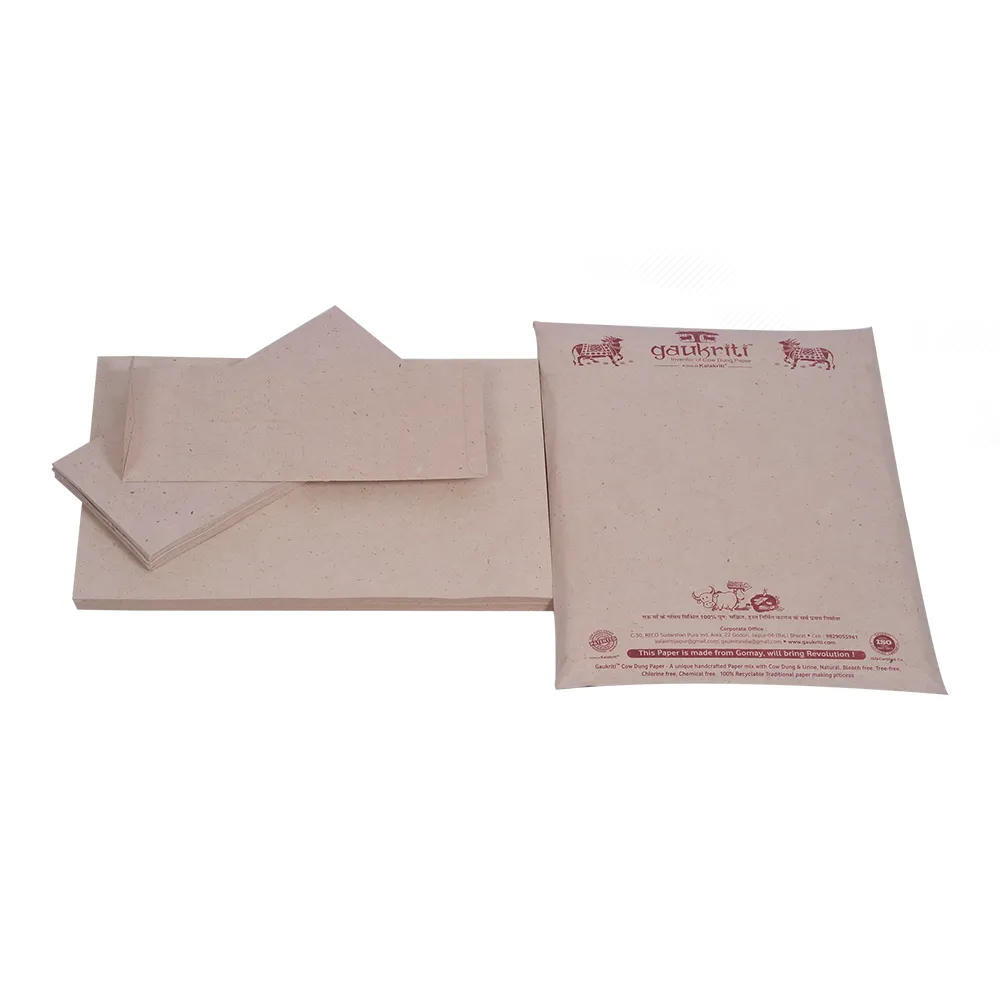
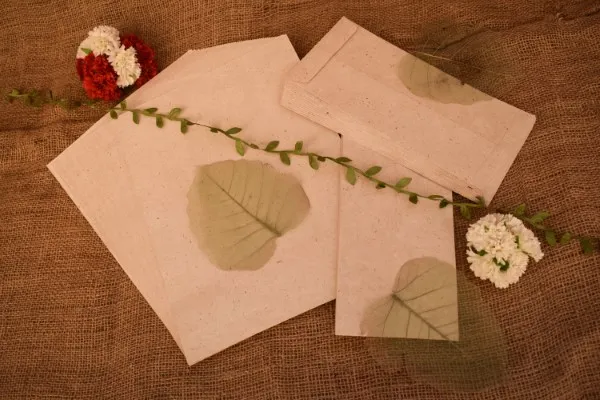
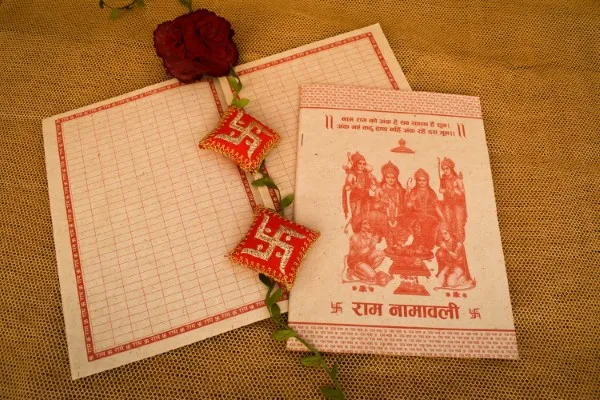
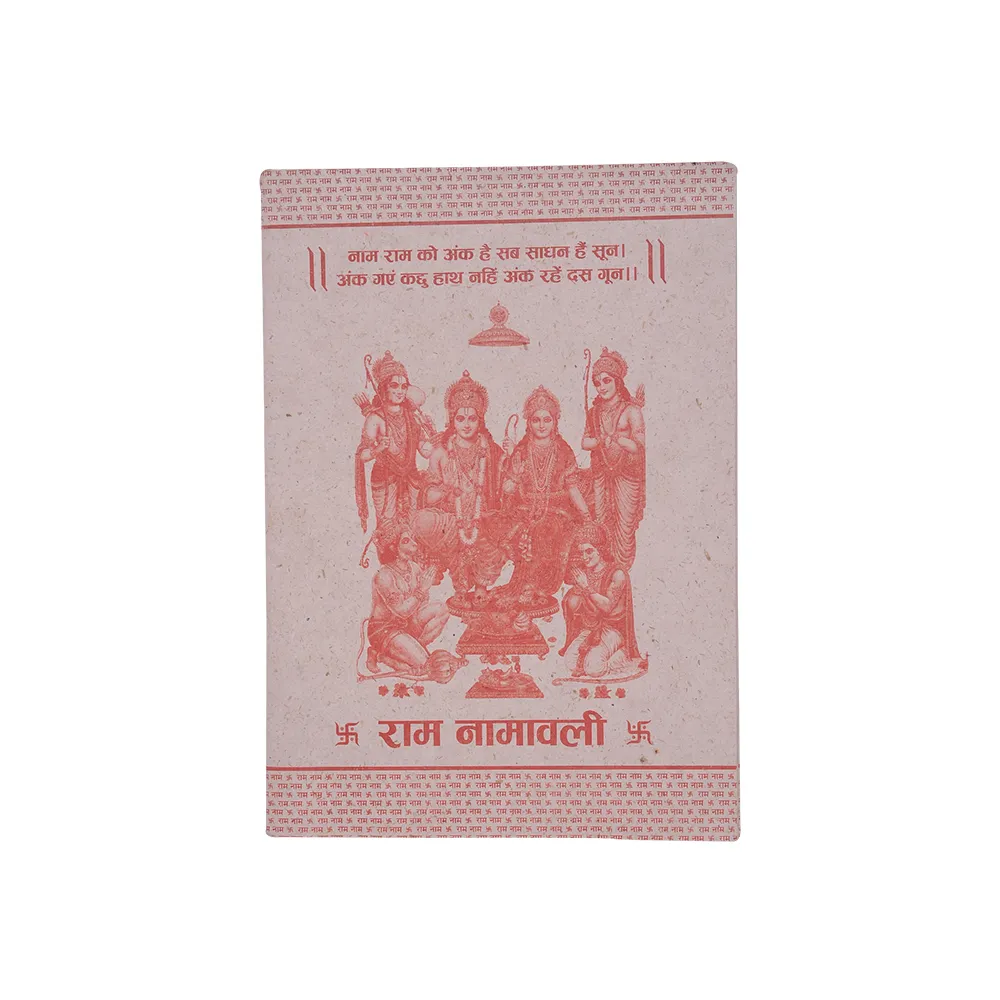
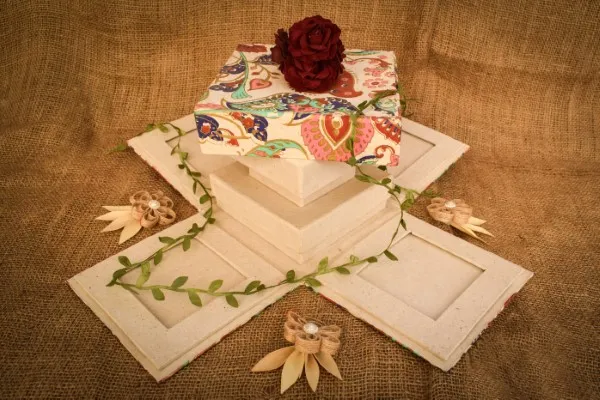
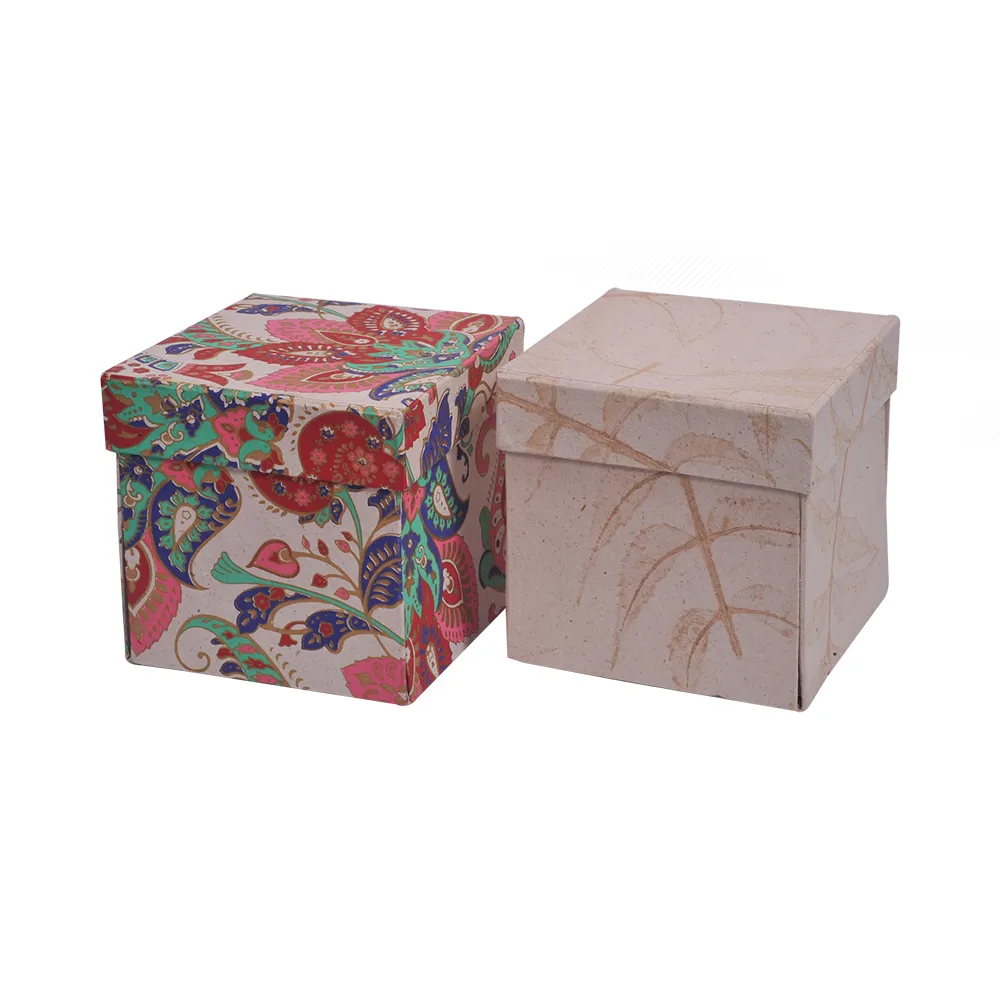



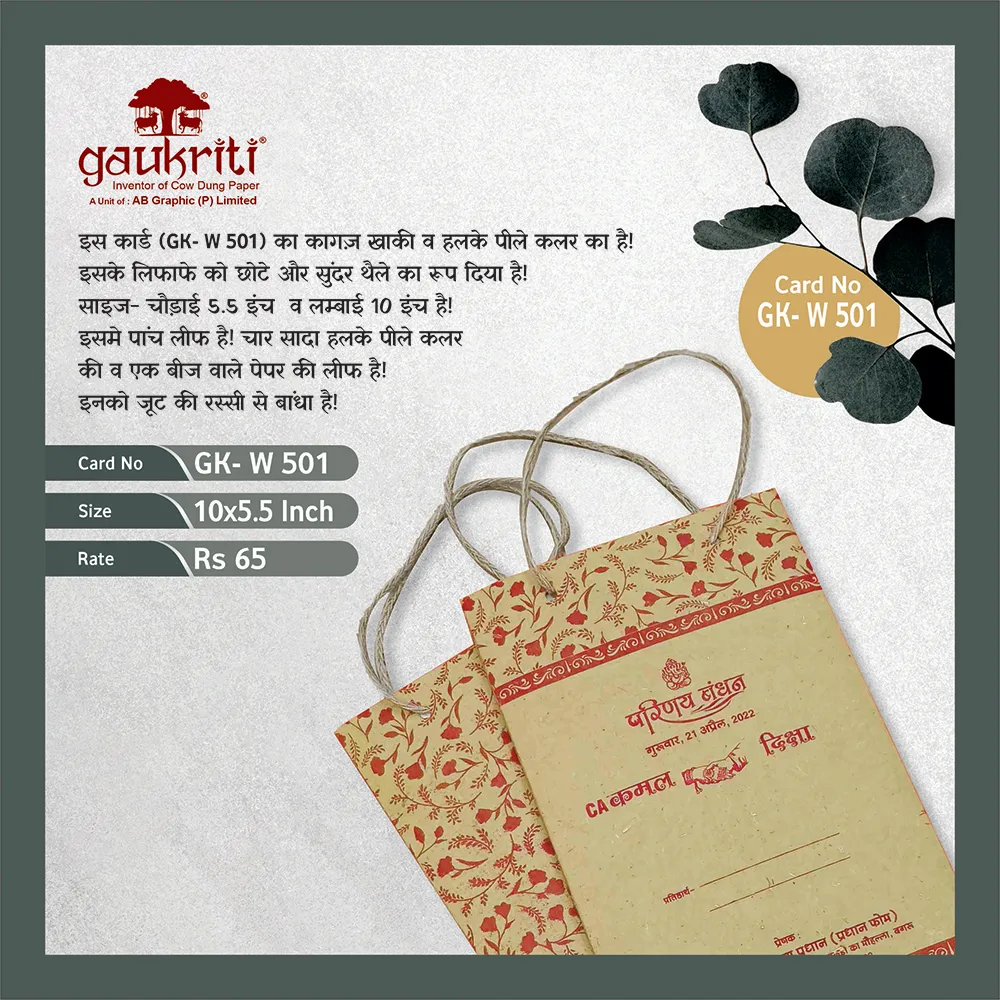
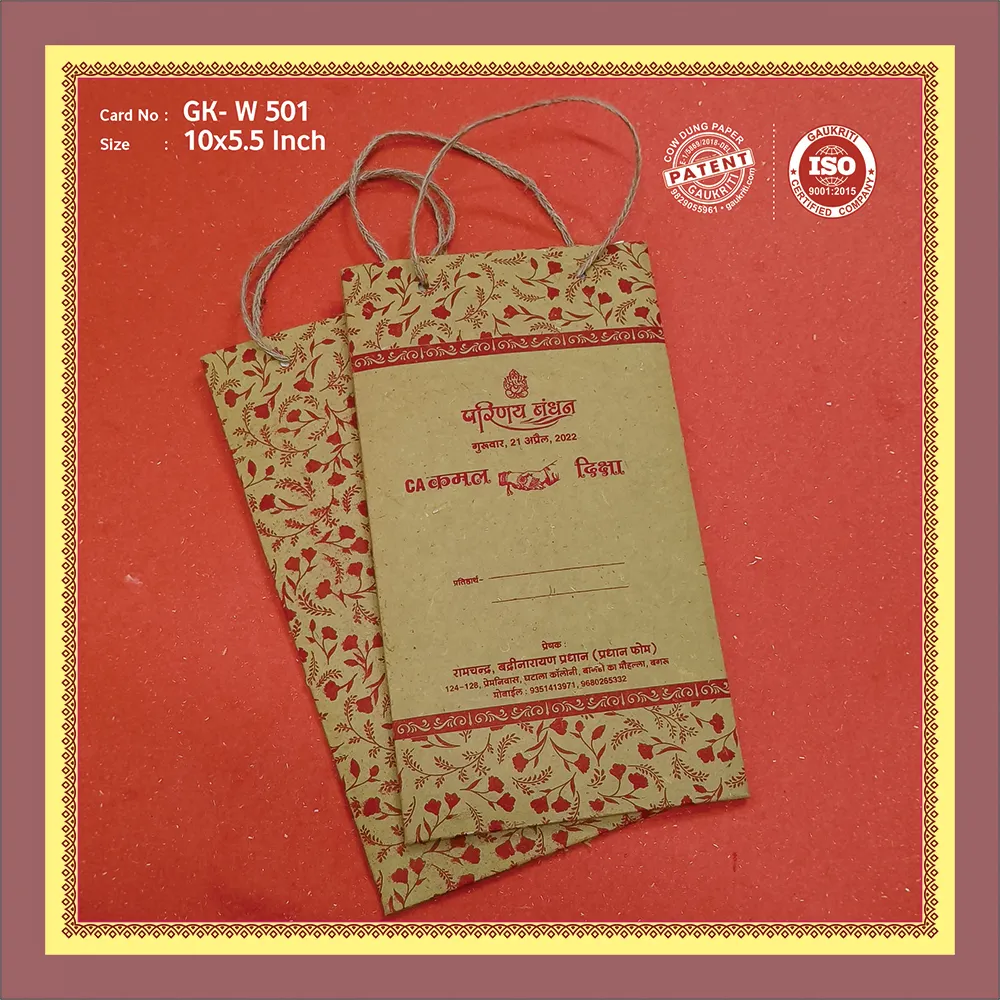
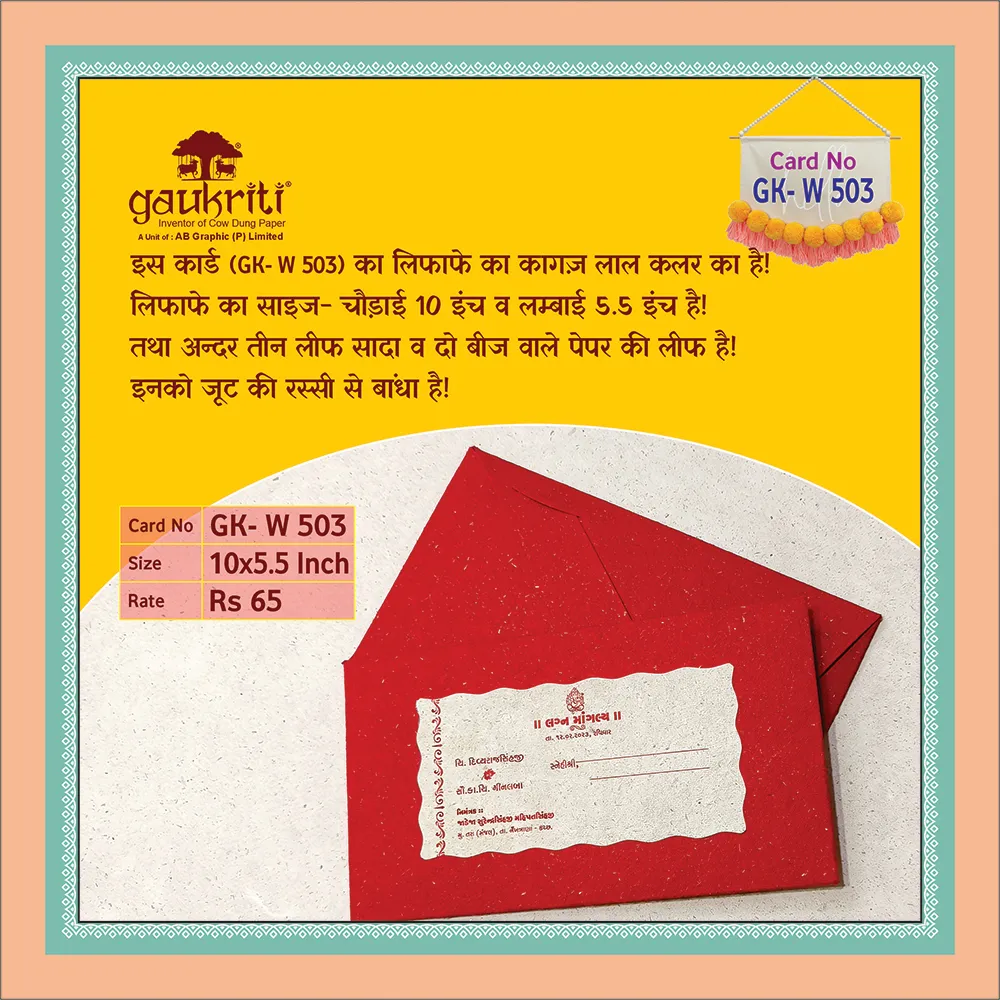
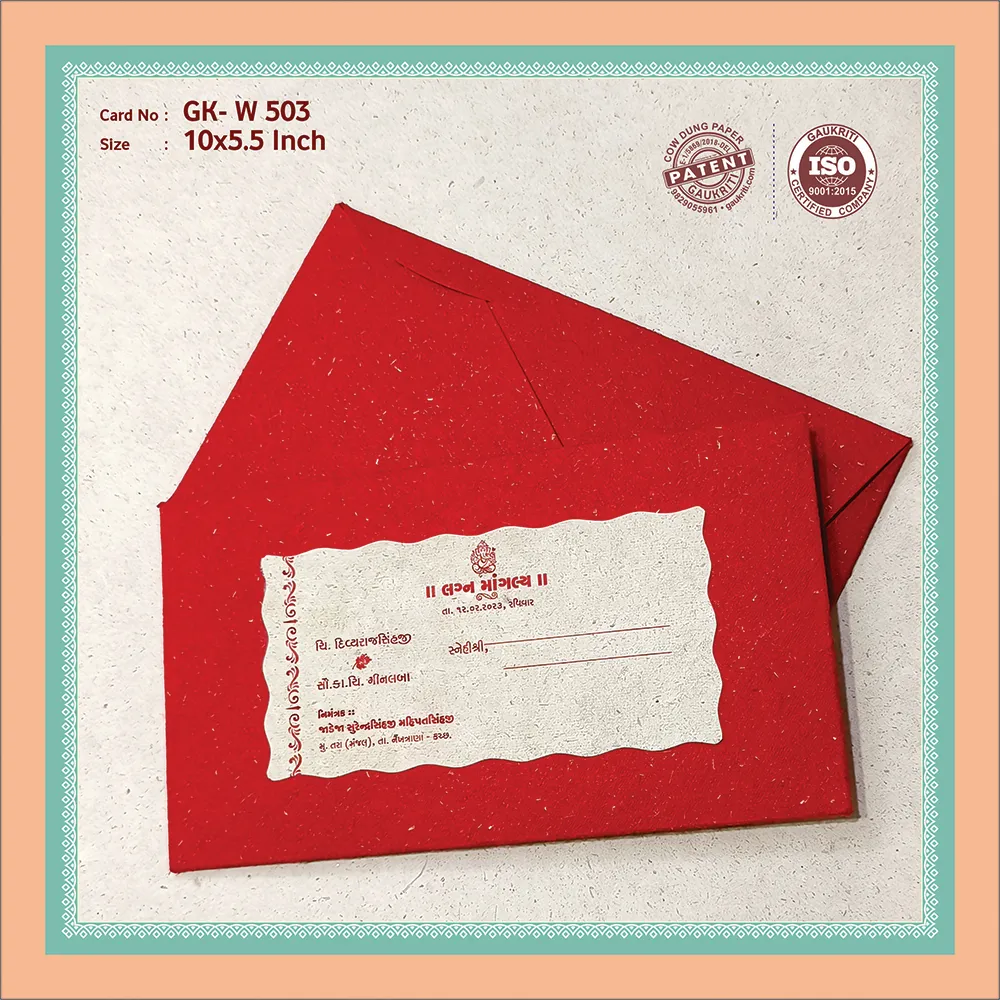
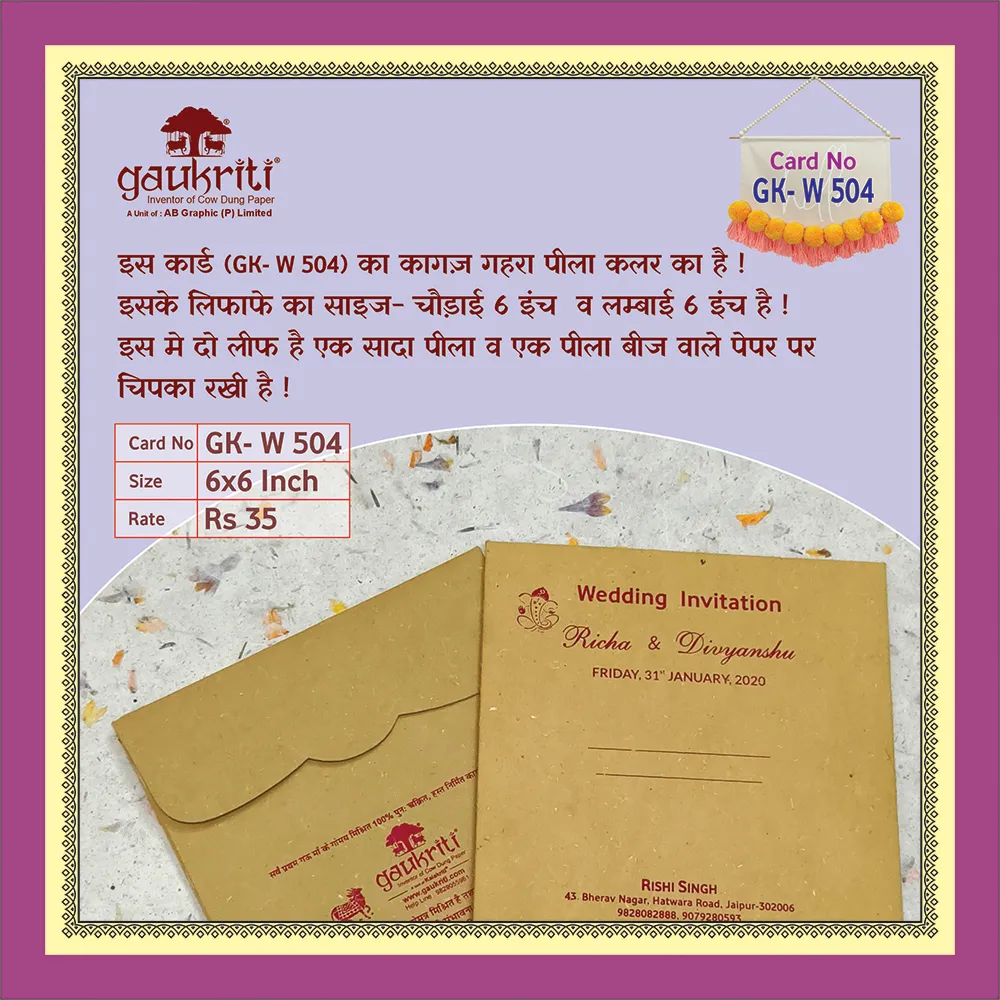
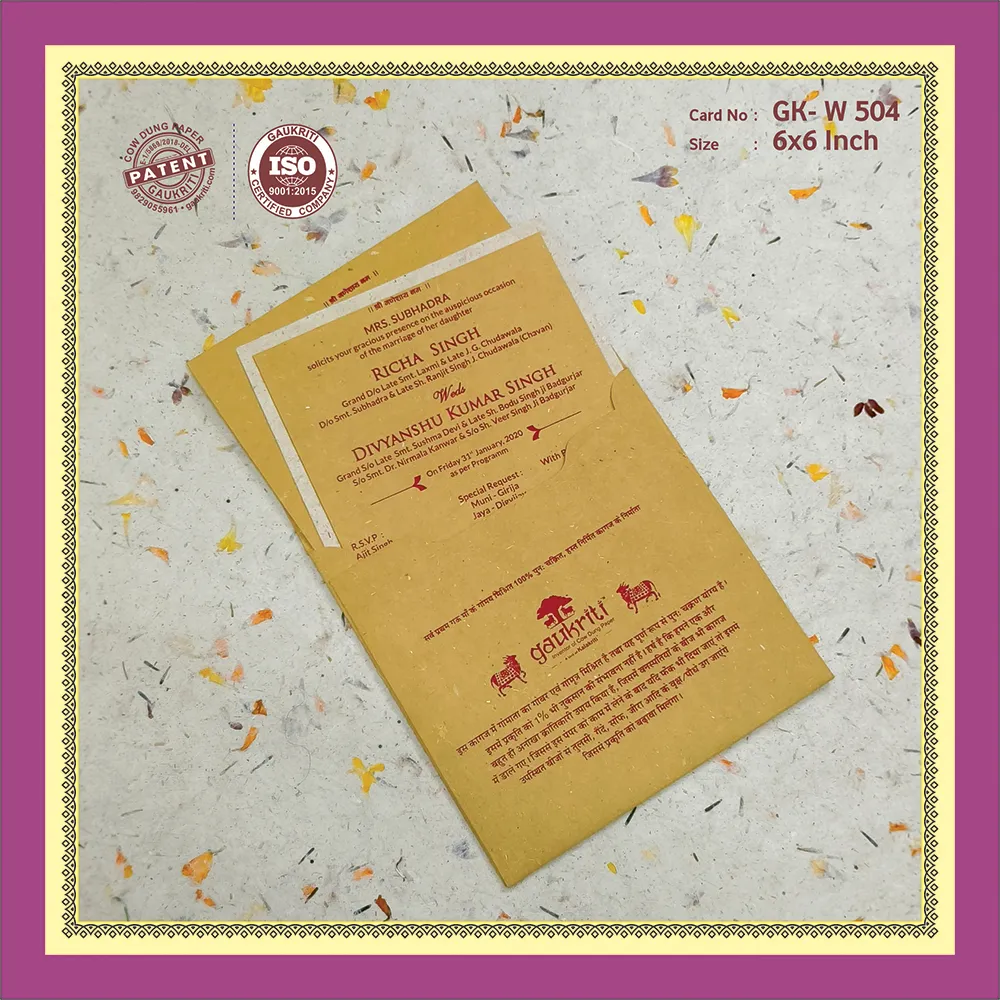
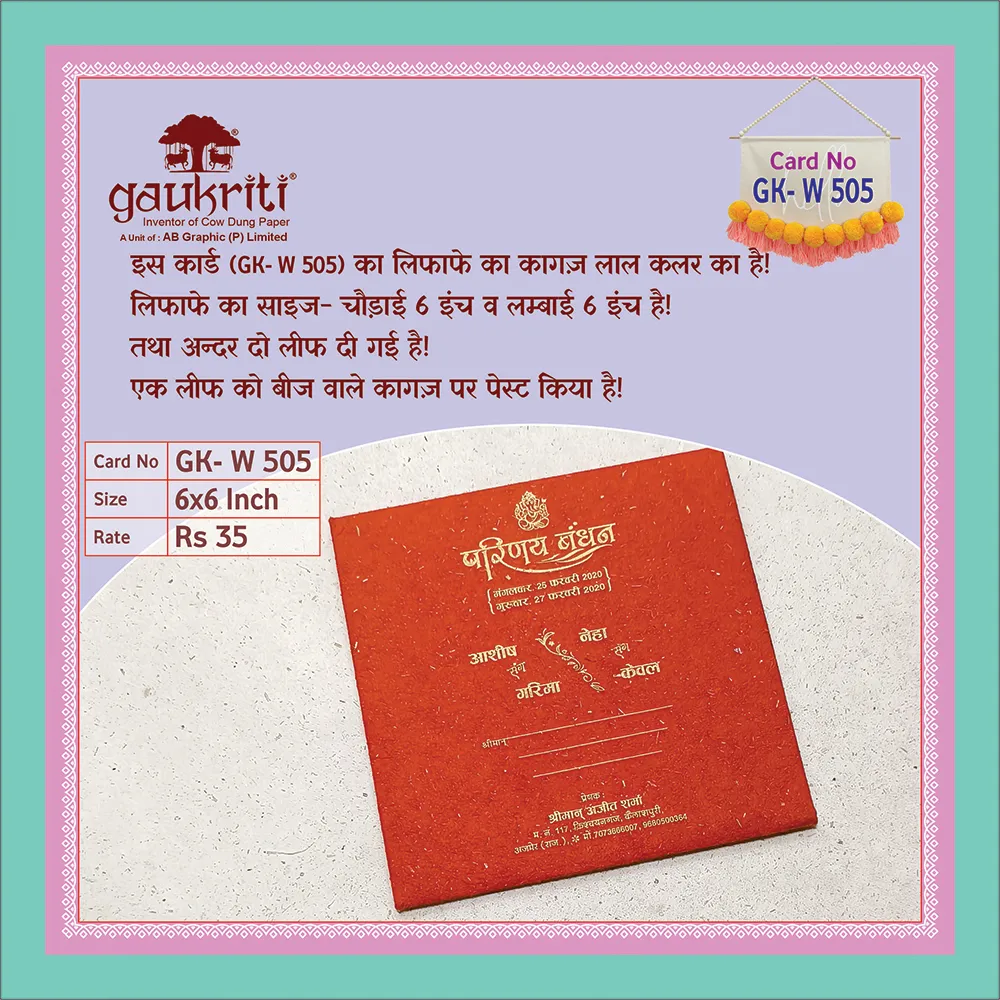
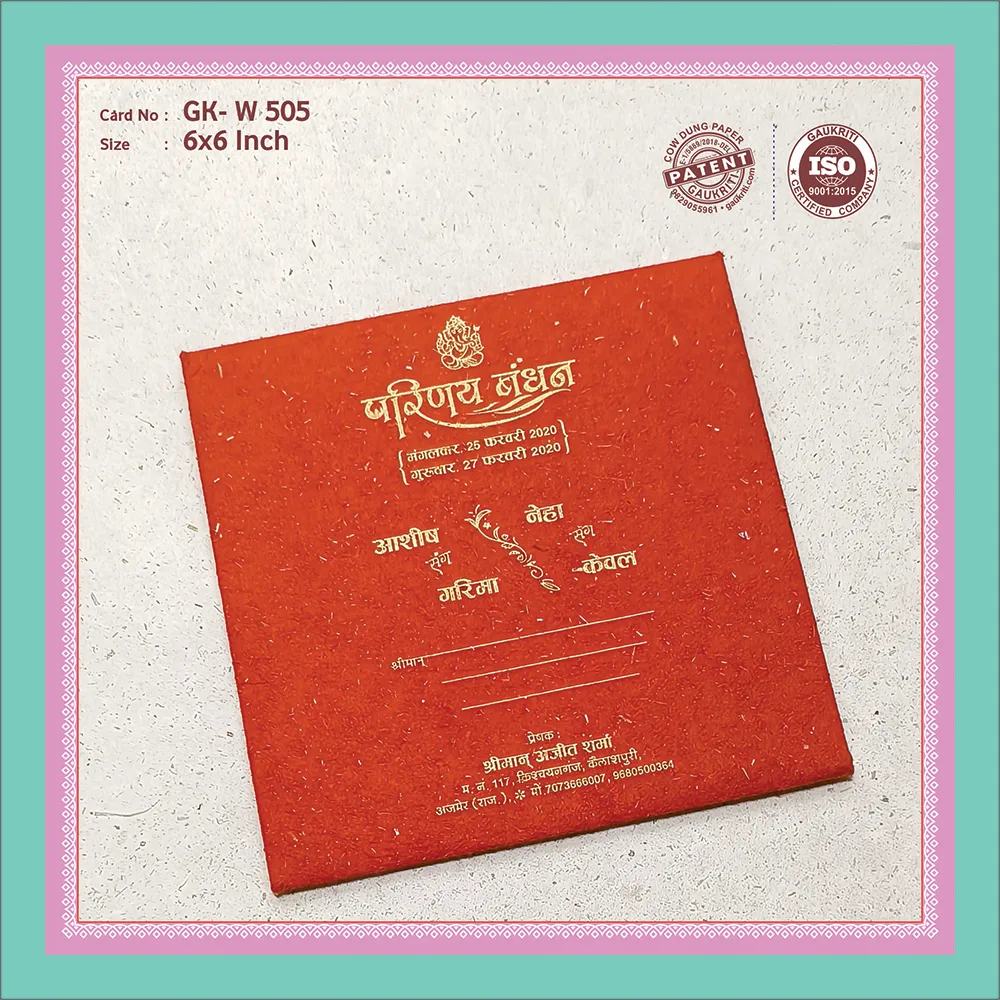
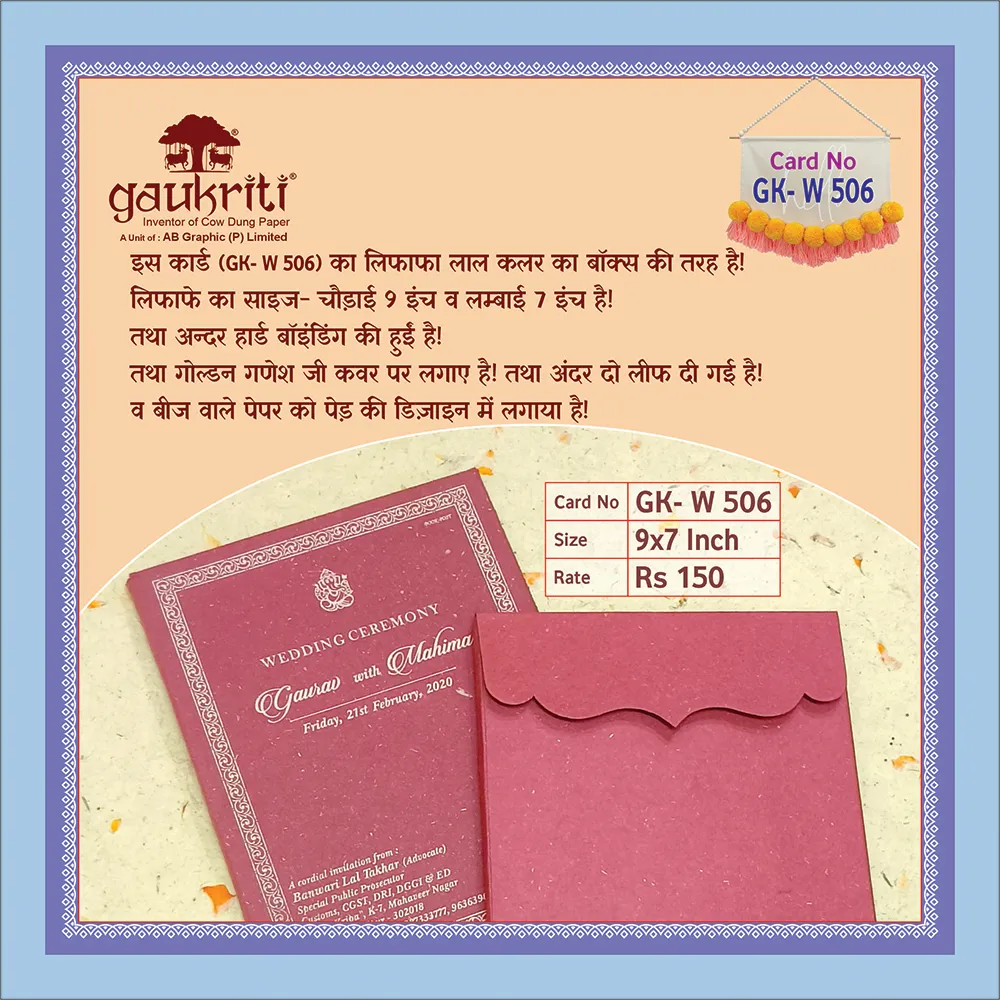
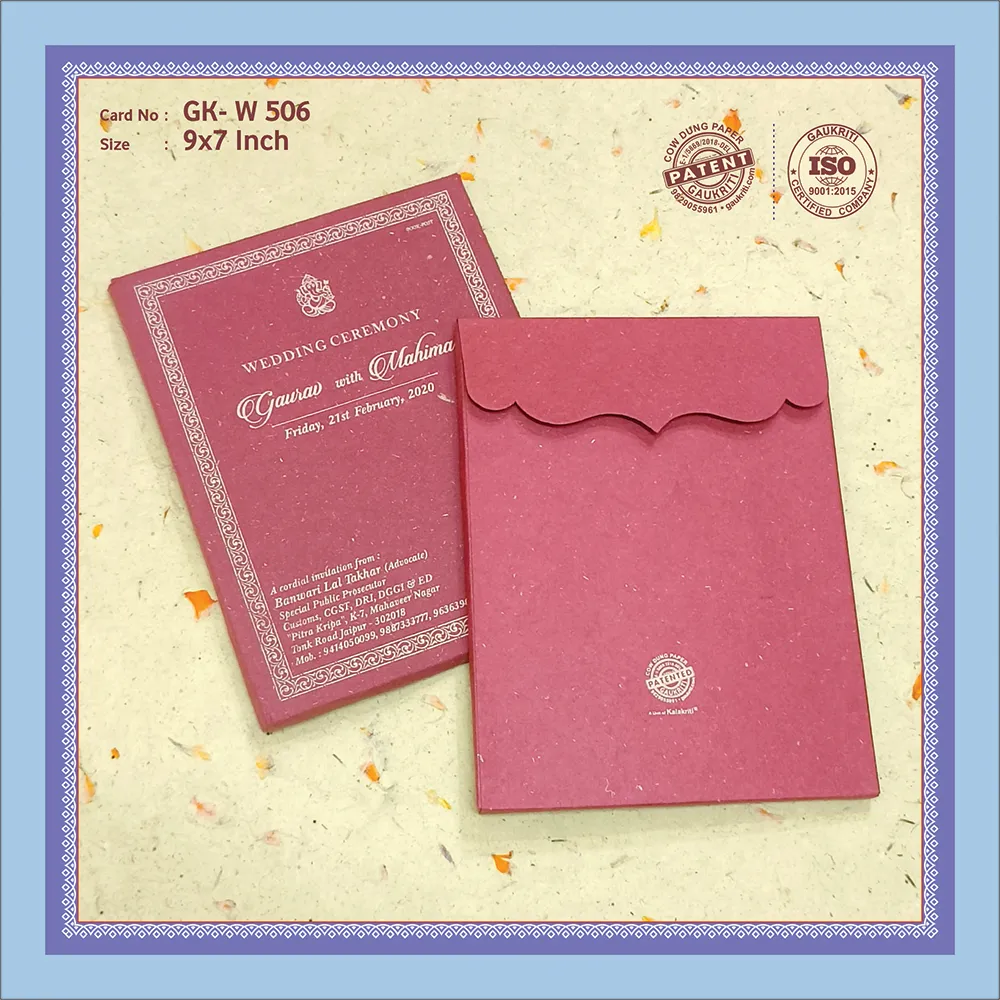
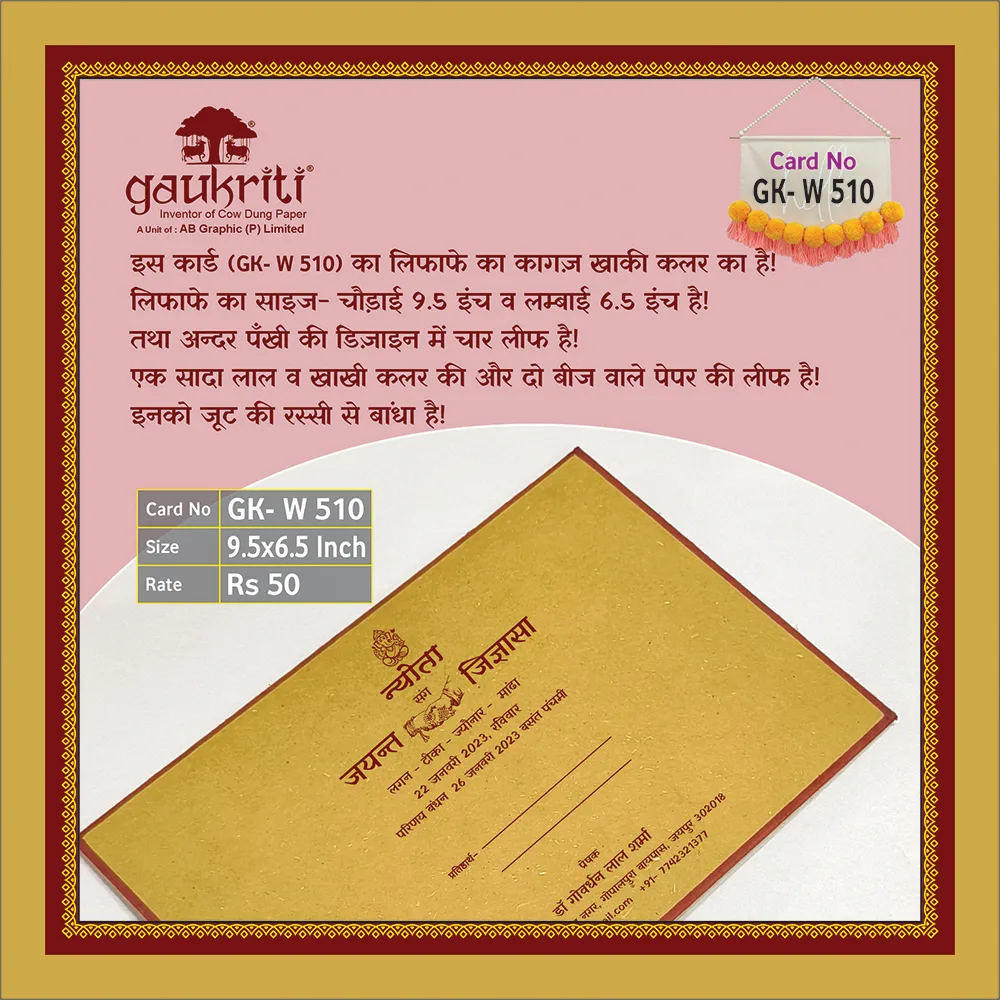
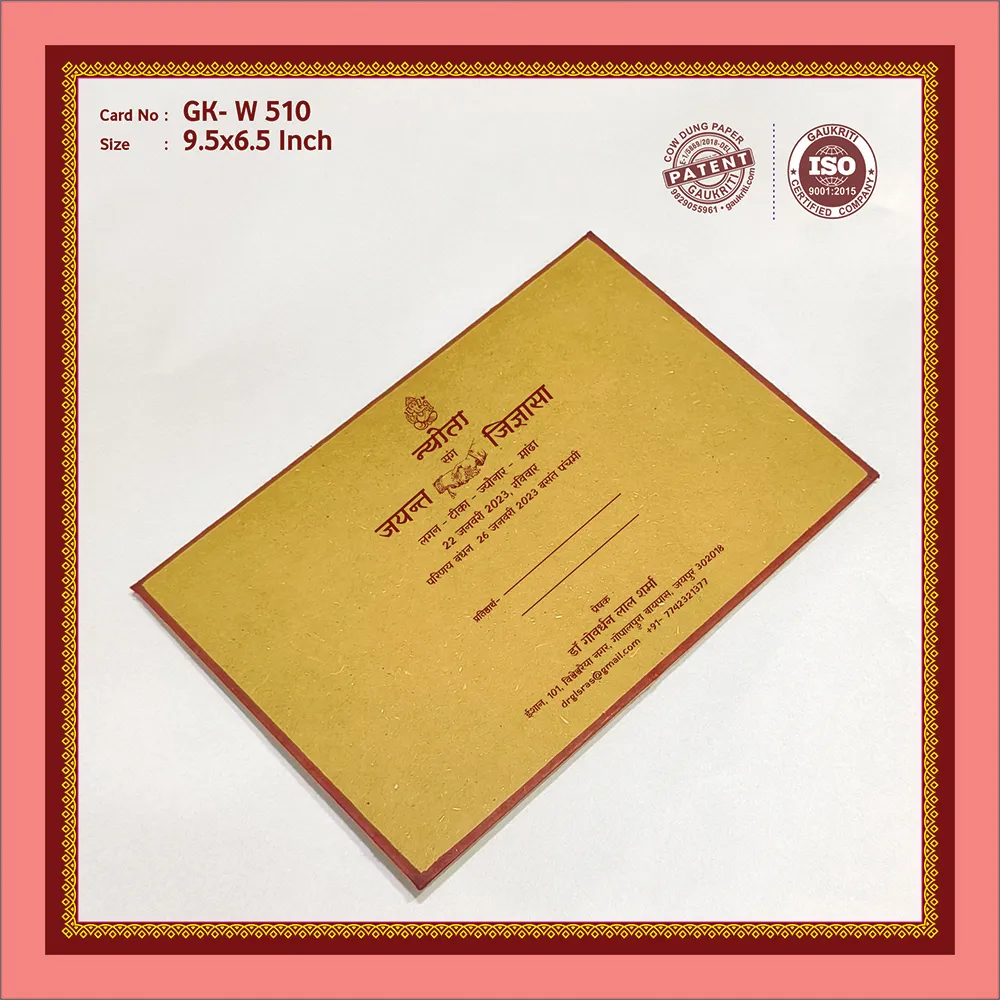
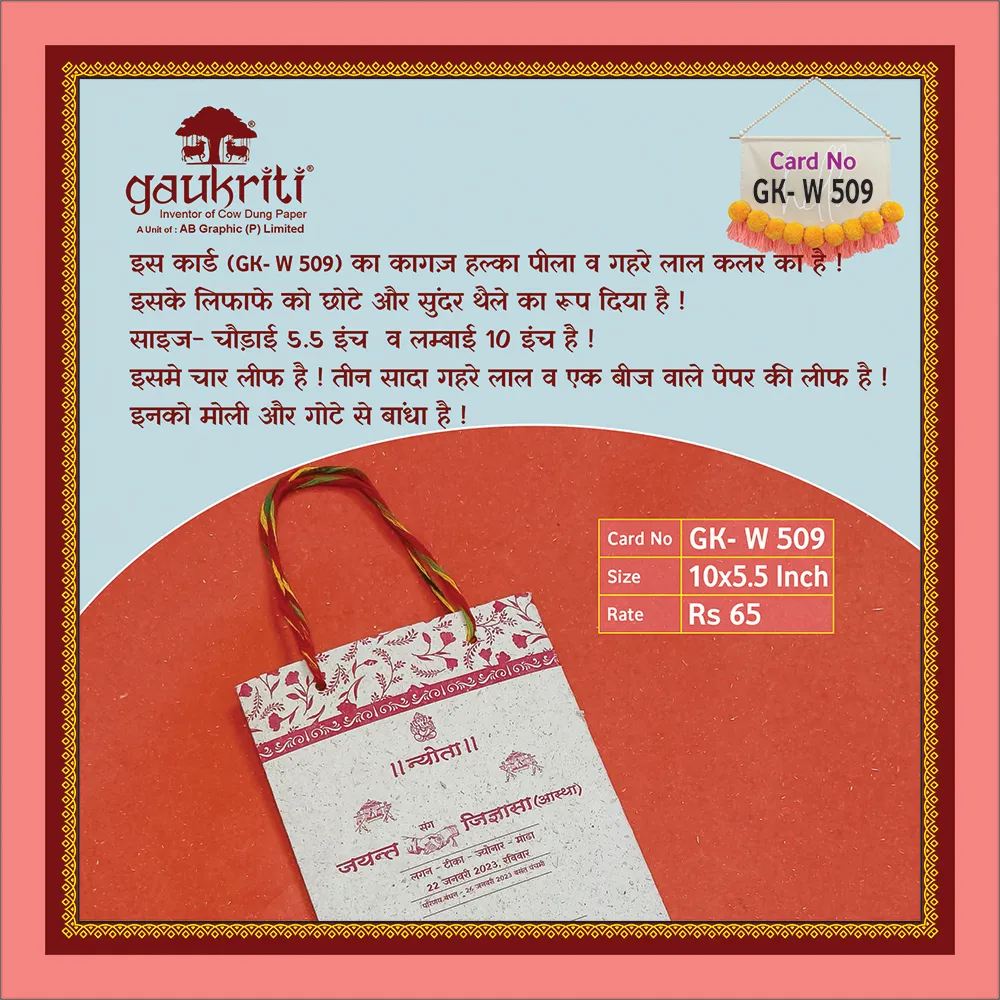
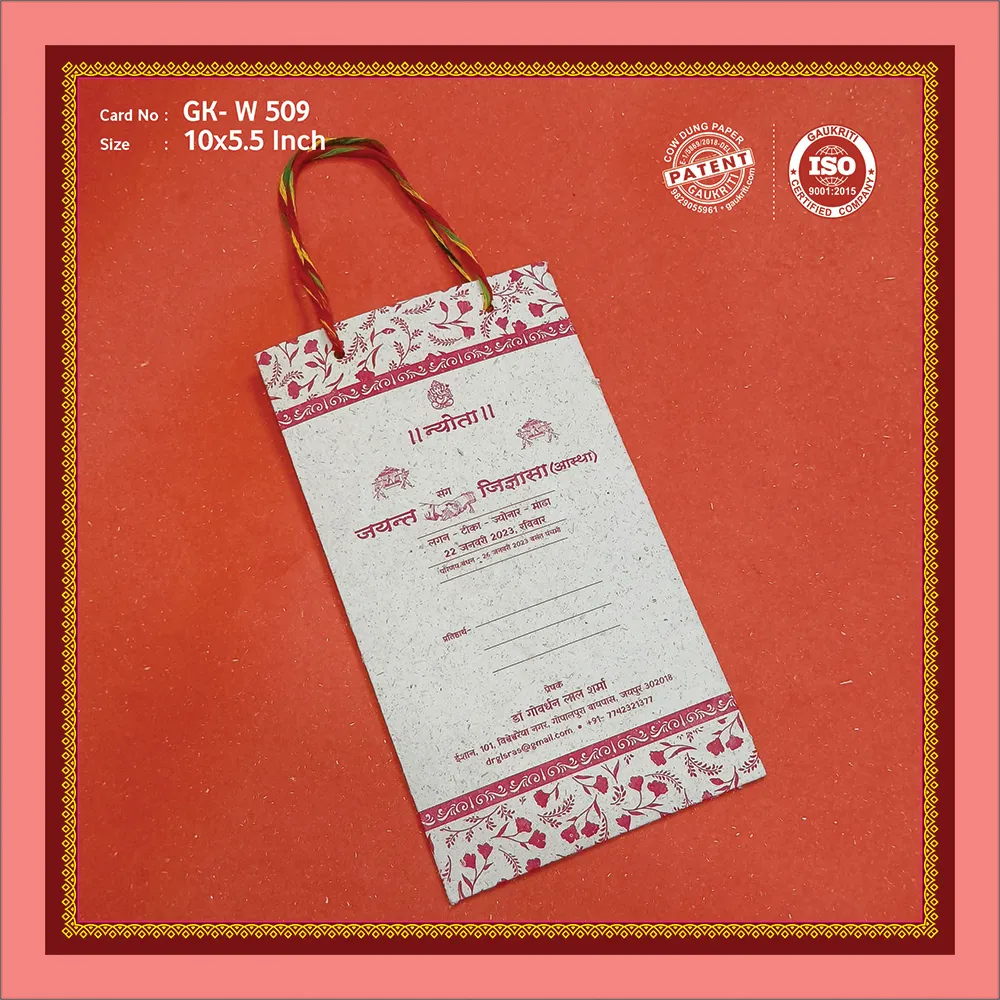
Eco-Friendly
Festival & Gift Collection
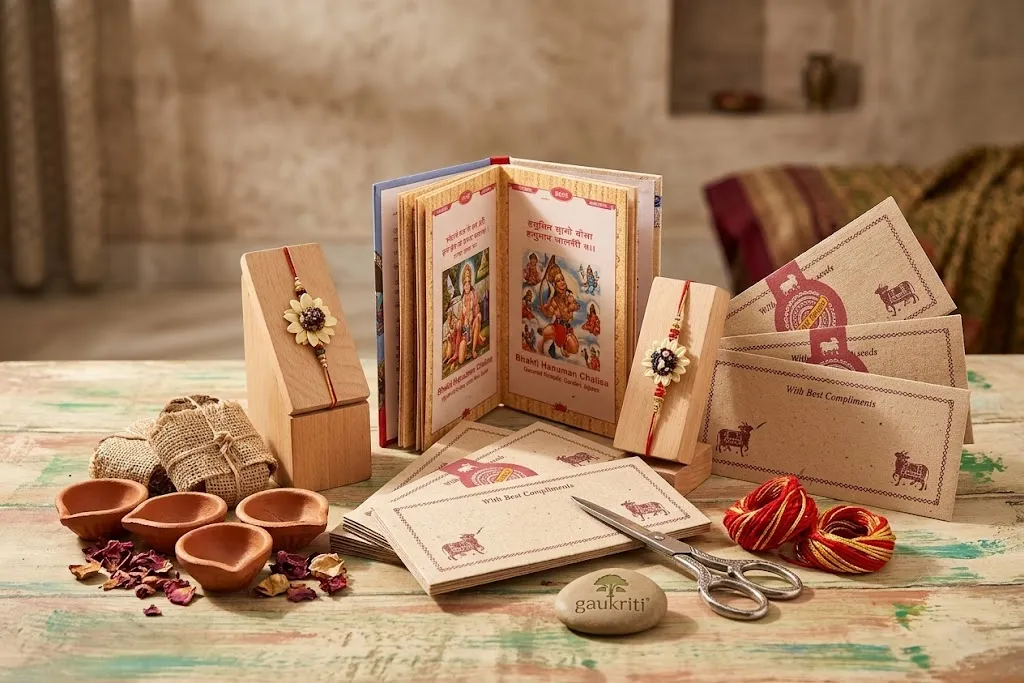
Diwali poojan boxes, Rakhi, Holi colours — sab kuch gaumay paper se.
Explore FestivalInventing Cowdung Paper
Gaumata ki Krupa se Janma Paper
“Humne gaumay se paper banane ki kranti shuru ki — poori tarah recyclable, market ke kisi bhi paper jaisa strong. Is paper mein vegetation seeds bhi hain — dump karne par Tulsi, Genda, Soap, Jeera jaise paudhe ug sakte hain. Gaumata sanrakshan aur gaon mein rozgar — ₹10/kg gaumay khareedte hain.”
पूरा पढ़ें
भारतीय सनातन धर्म में गौमाता का महत्व प्राचीन काल से ही रहा हैं। गौमाता को समस्त धार्मिक कार्यों में सम्मिलित कर पूजा जाता रहा है। गौमाता से मिलने वाले पदार्थों में दूध, दही, घी के अलावा गौमूत्र व गौबर भी शामिल है। गौमाता के दूध, दही का उपयोग भारत वर्ष में बहुतायात में होता रहा है परन्तु जब गाय दूध देने के लायक नहीं रहती है तब उसको उपेक्षा की दृष्टि से देखा जाता है इसी उपेक्षित व्यवहार के कारण उनको मरने के लिये छोड़ दिया जाता है।
गौमाताओं की यही दशा देखकर हमने गौमाता के गौबर व गौमूत्र का इस्तेमाल कर गौमय मिश्रित कागज का निर्माण (आविष्कार) किया है। जिससे गौमाता का दूध के अलावा उनके गौबर व गौमूत्र की वजह से भी पालन पोषण अच्छे से किया जा सकेगा। वर्तमान में एक टन मील पेपर के लिये लगभग 17 पेड़ों को काटा जाता है और प्रतिदिन लाखों पेड़ों की बली दी जा रही है। जिससे पर्यावरण के लिये खतरा पैदा होता जा रहा है, इसी विषय ओर गौमाता की देश में स्थिति देख-कर हमने इस पर लगभग 4-5 साल से मेहनत कर गौमय मिश्रित कागज का निर्माण किया। आज हमारे कागज को सम्पूर्ण भारत वर्ष में लोगों द्वारा काफी सराहा व पसंद किया जा रहा है। हमने इस आविष्कार से ना सिर्फ कागज बनाया हैं।
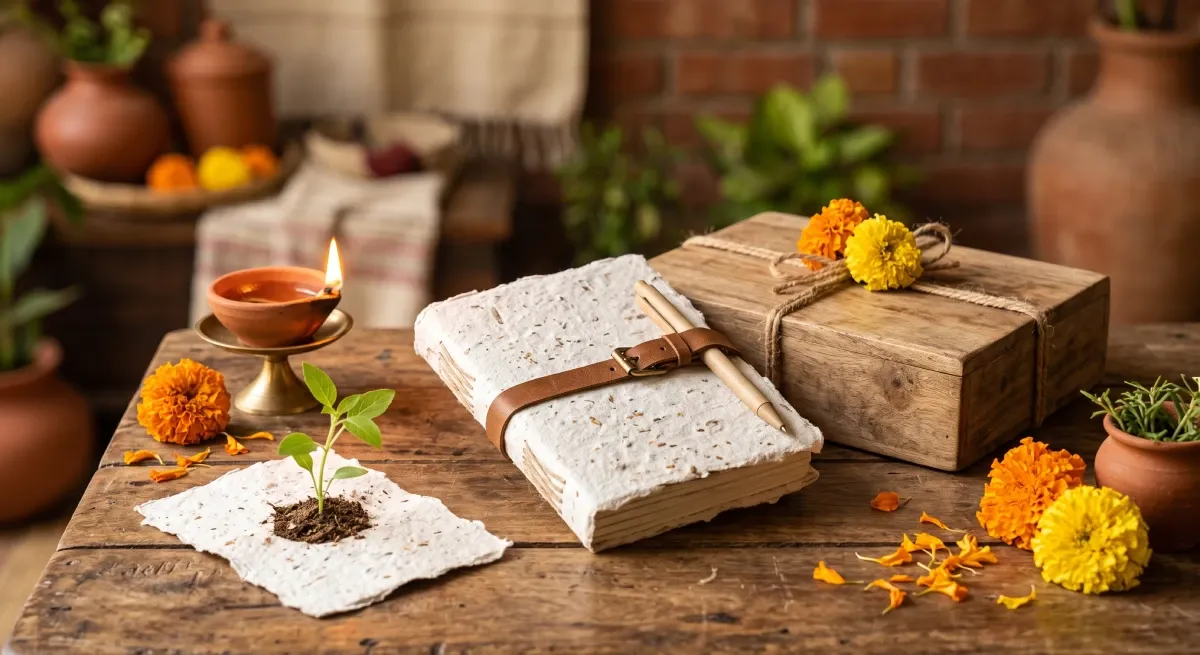
अपितु भविष्य को ध्यान में रखते हुये हमने पर्यावरण रक्षार्थ कागज में वनस्पतियों, फूलों, सब्जियों के बीज भी कई कागज में डाले हैं जिससे इसको काम में लेने के बाद जमीन पर फैंकने पर अनेक प्रकार की वनस्पतियां उग जायेगी और हमारा कागज जमीन पर फैंकने पर खाद का भी काम करेगा।
हमारे इस आविष्कार से कागज के निर्माण कार्य मे गाँवो के बेरोजगारों को प्रशिक्षण देकर उनको इस कागज निर्माण में लगा रोजगार का नया अवसर भी प्रदान किया जा सकता है। हमारा यह आविष्कार जहाँ दूध ना देने वाली गौमाता के जीवन की रक्षा करेगा वही पेपर बनाने के लिये पेड़ो को कटने से भी बचायेगा। हम गौमाता का गीला गोबर लगभग 10 रूपये प्रति किलो के दाम से खरीदते है।
हम इस कार्य को राष्ट्रीय व अंर्तराष्ट्रीय स्तर पर फैलाकर हमारे देश के बेरोजगारों को रोजगार उपलब्ध कराने के साथ ही गौमाता को स्वावलम्बी व पर्यावरण सरंक्षण की ओर नई दिशा प्रदान कर सकते हैं।
Talk to Us
Eco-friendly gaumay paper products
Bulk order, custom gifting, ya product help chahiye? WhatsApp pe message karo — hum Jaipur se poori Bharat mein deliver karte hain.
Jaipur · +91-9829-055-961
Why It Matters
The Invention of Paper
From trees to tradition—understanding paper’s past explains why its future must change.
17 Trees cut down for every tonne of white paper
35–40% of the world's felled trees go into paper
₹10/kg paid for cow dung — supporting farmers
0 Trees used to make Gaumay paper
Paper is being used in the whole world, all our work is incomplete without paper. If the paper had not been invented, so many of our works would have remained incomplete. Therefore, it is necessary to know a brief history of the invention of paper. The invention of paper was done and used in Cai Lun in 202 BC China during the Han Dynasty. This proves that after China, paper was manufactured and used in India.
Traditional paper 17 trees for every tonne
Gaumay paper 0 trees made from waste cow dung
Read Full Story Close Full Story
Paper Through Time
The first paper mill in India was established in Kashmir, and the modern paper mill in India was established at a place called Wali on the banks of the Hooghly River in Calcutta. Along with the development of human civilization, many changes keep happening and will continue to happen with paper as well. Today every person in the world uses paper — whether in the form of money, book copies, plain paper, or government paper. India’s per-capita paper consumption is around 7.2 kg, and total consumption is estimated to reach nearly one million tonnes annually by 2024–25. At present, there are 462 paper mills in India producing almost 2 million tonnes of paper, with the industry’s total turnover at roughly ₹70,000 crore per annum.
Impact on Environment
To make paper, 35% to 40% of the trees cut down worldwide go into paper production. Think about how many lakhs of trees are cut every year to make crores of sheets of paper. According to estimates, about 17 trees — roughly 30 feet long and 8–10 inches thick — are cut down to make just one tonne of white paper.
The environmental damage this causes is difficult to even estimate, and to make white paper appear bright, chemicals are used that are internationally banned in many places and are extremely harmful to people and the environment. Most of this manufacturing happens in China, with the United States second and Japan third. According to one estimate, an average family consumes paper made from about 6 trees every year — and alongside creating millions of tonnes of waste, there is a growing need for a gentler, more sustainable kind of paper.
The Need for Sustainable Paper
This is where the idea took shape — could paper be made in a way that keeps the environment safe while still meeting human needs?
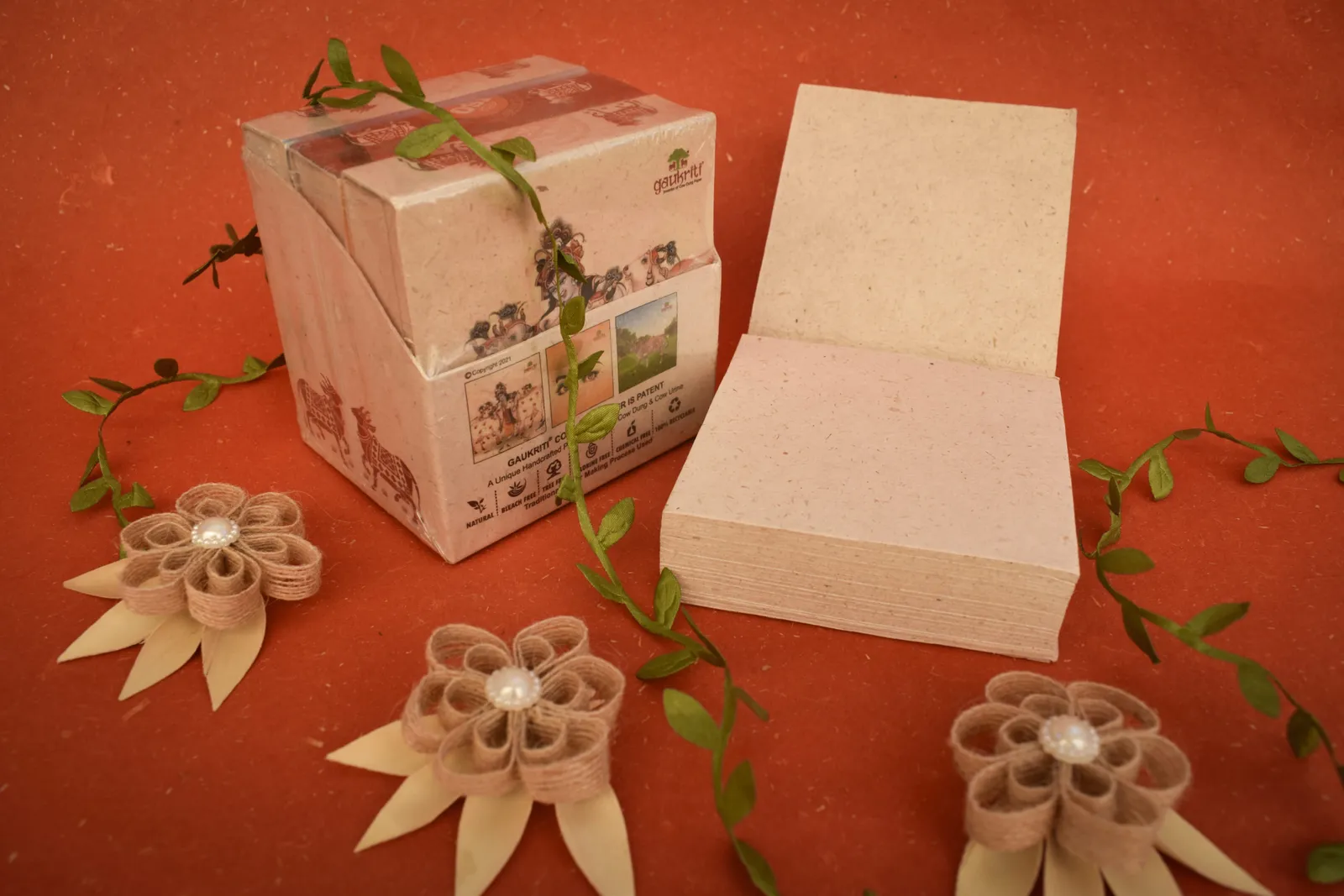
That led to our invention of Gaumay Vishisht Kagaz — paper made from 100% waste cow dung, with no wood pulp and no tree fibre used in it at all, and no harmful chemicals involved in the process. This invention carries several other benefits as well.
Cow dung is purchased at ₹10 per kg. At this price, cows that no longer give milk can still support their own upkeep, and the income of farmers who rear cows increases as well. Papermaking from cow dung also opens up rural and urban employment — women and youth can find work manufacturing Gaumay paper products — and as this manufacturing expands abroad, it can also help improve foreign exchange, all while reducing the number of trees cut down.